★★★★★5
Y
"A quiet and deeply memorable experience. The tea room, the charcoal, and the conversation stayed with me long after the session. It felt less like a performance and more like being invited into a thoughtful practice."
Awai Studio Experience
A quiet, small-group experience with a Kyoto practitioner, centered on making tea, real charcoal, and thoughtful conversation.
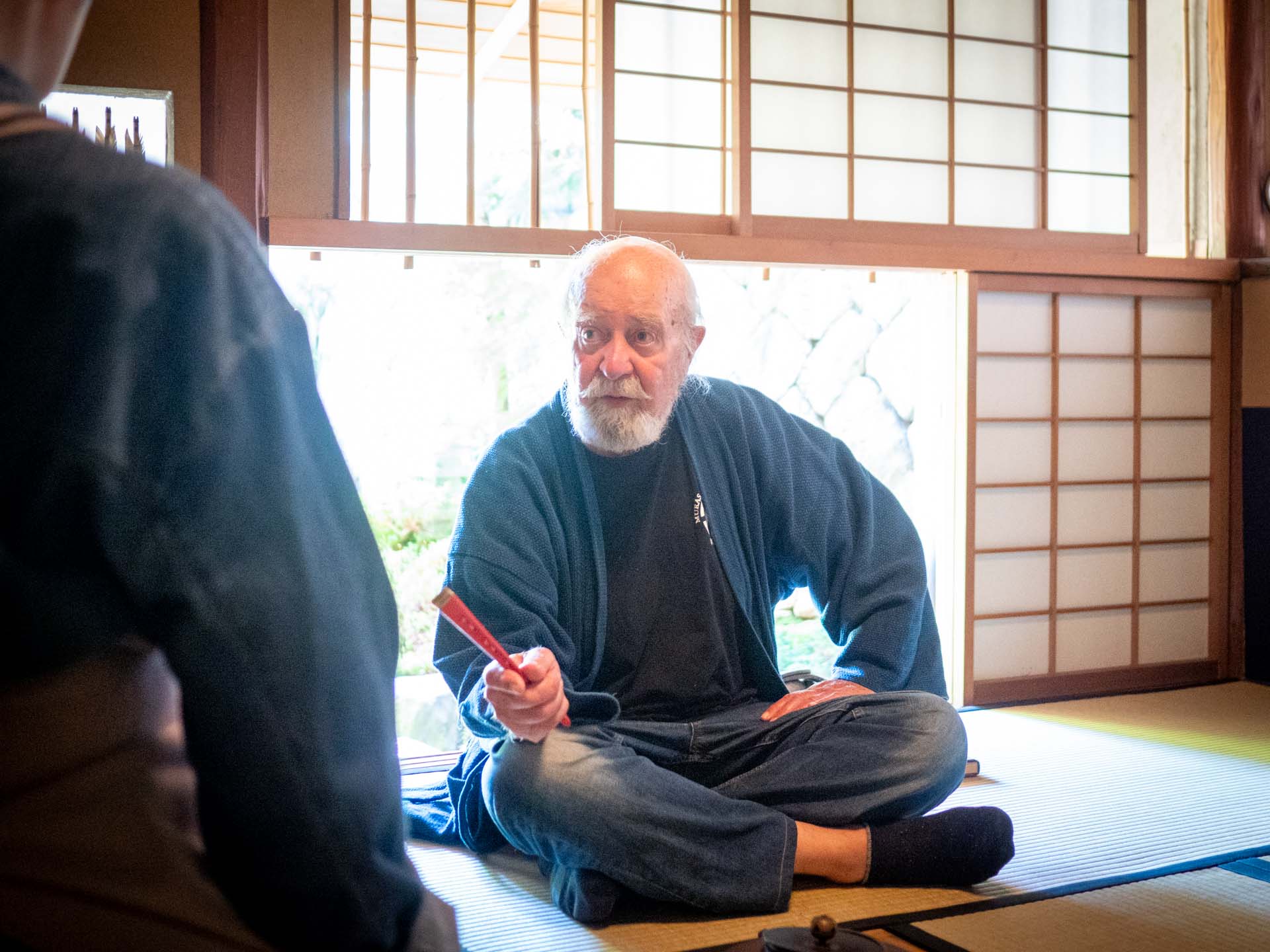
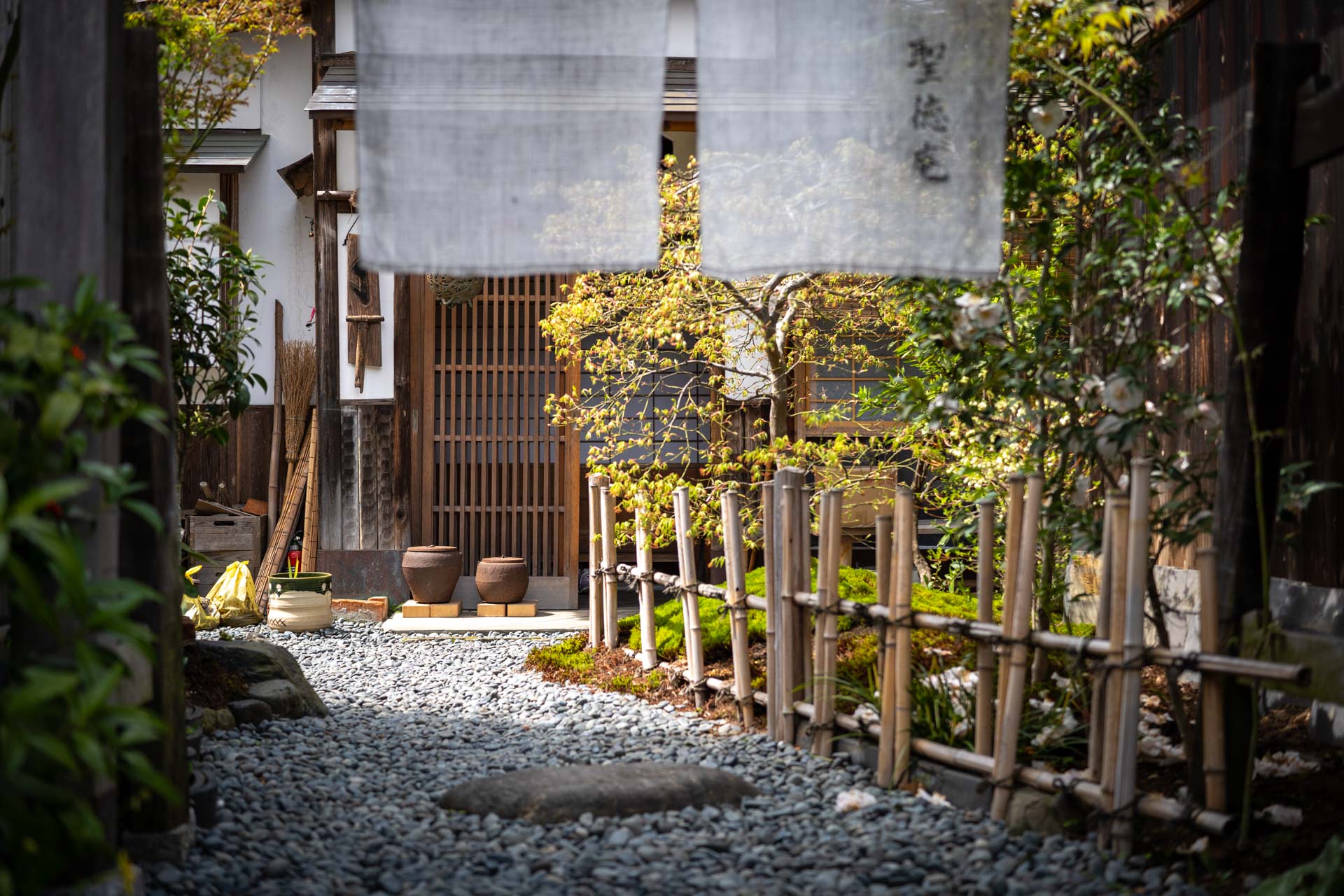
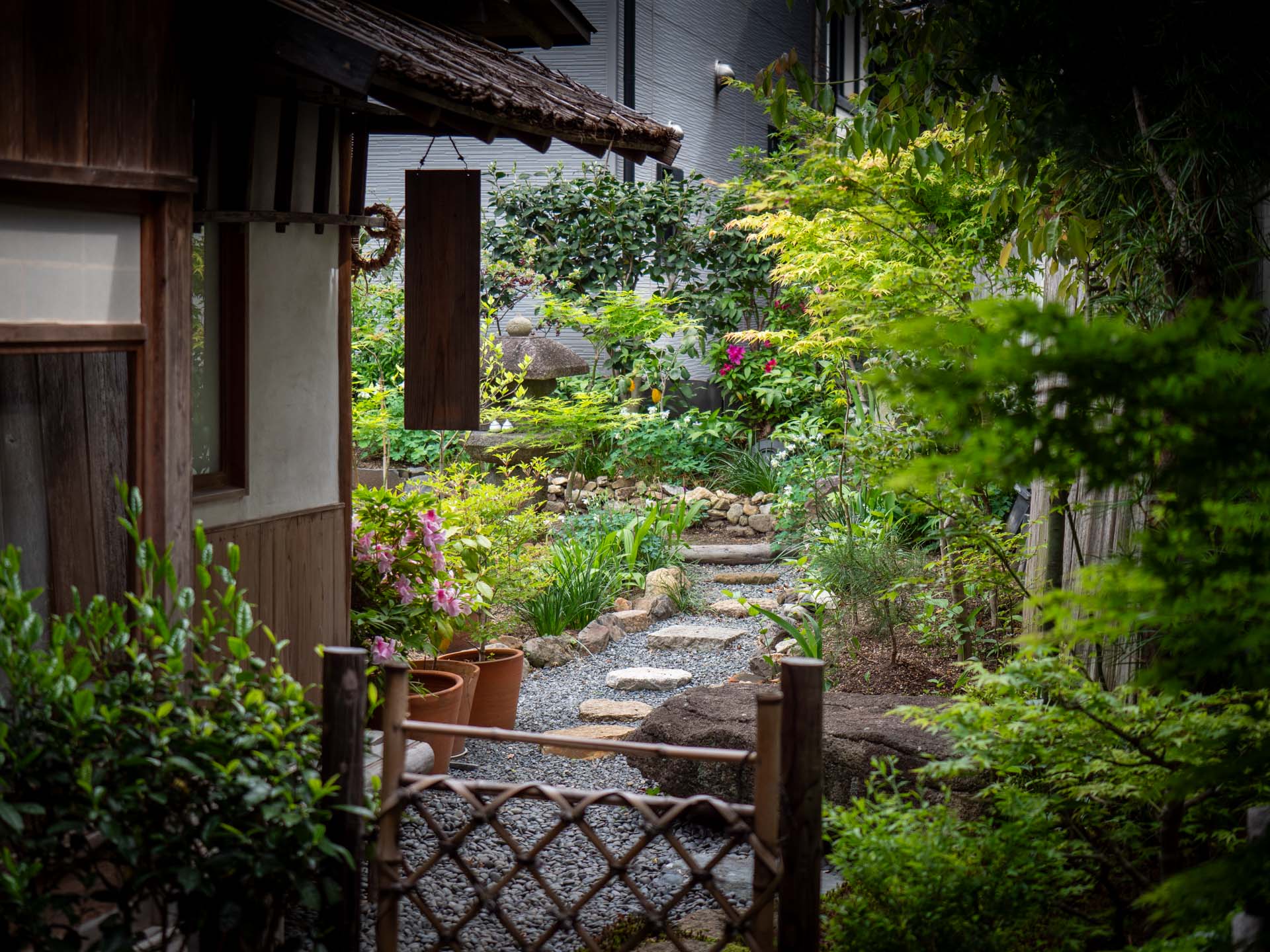
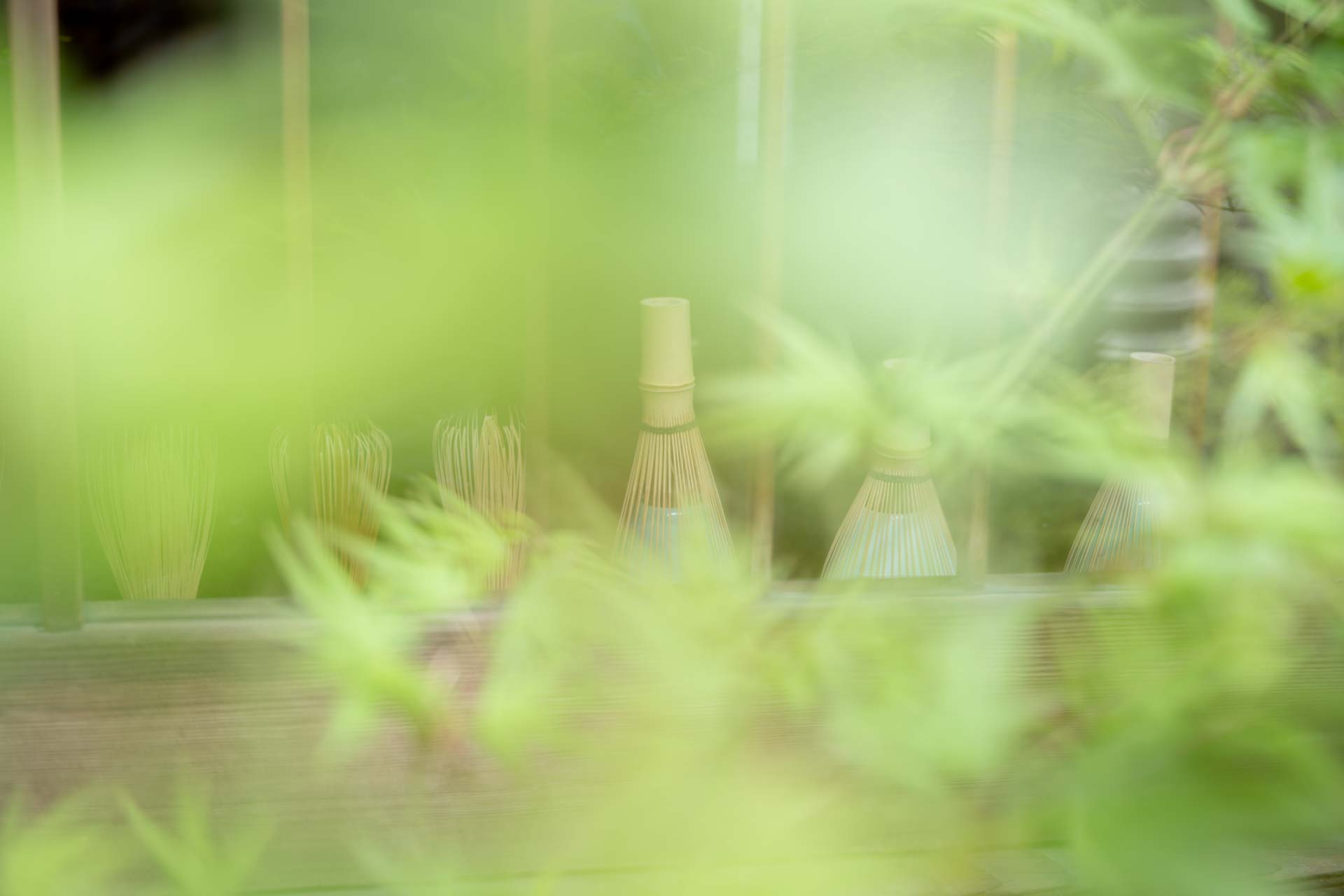
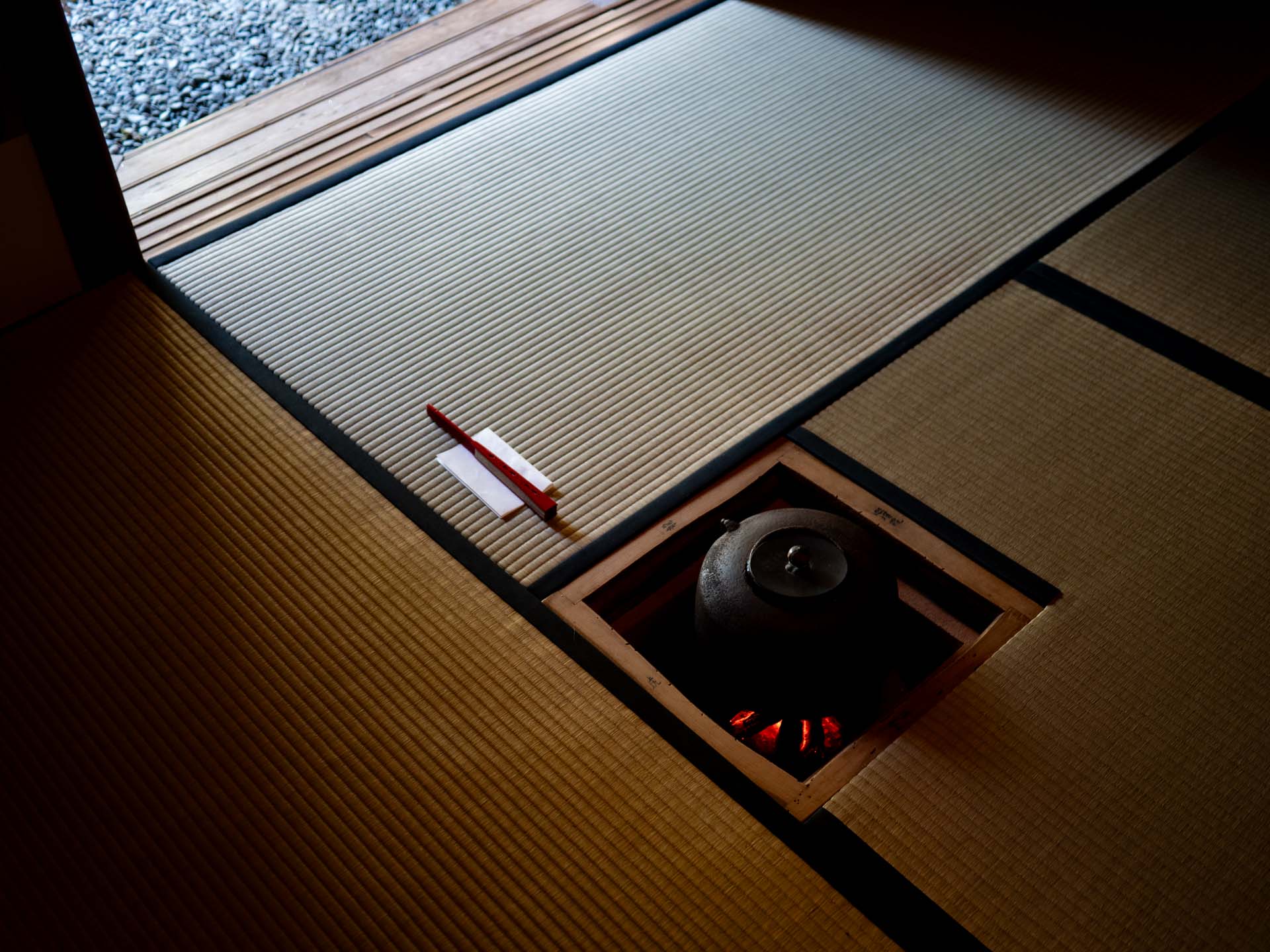
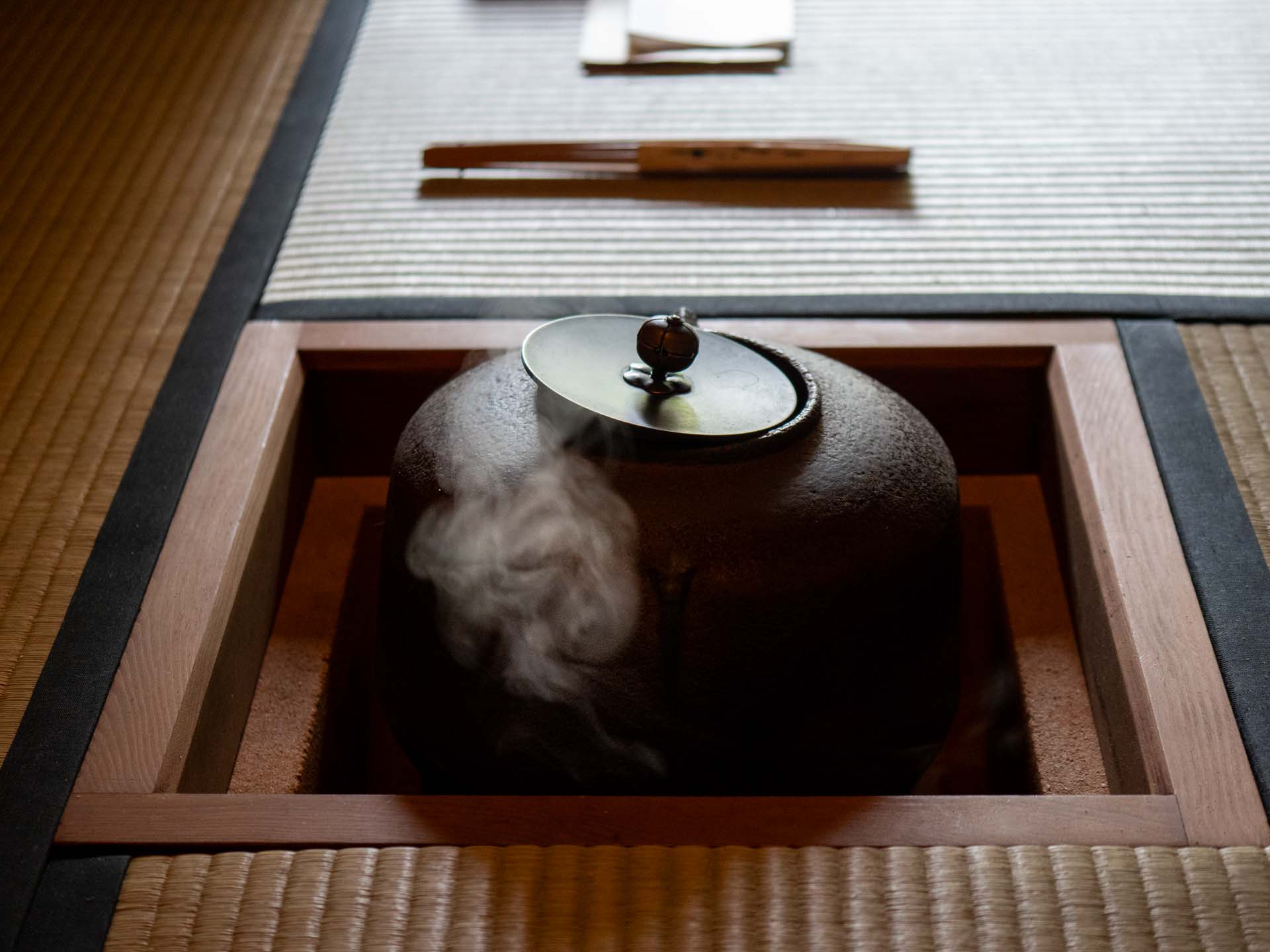
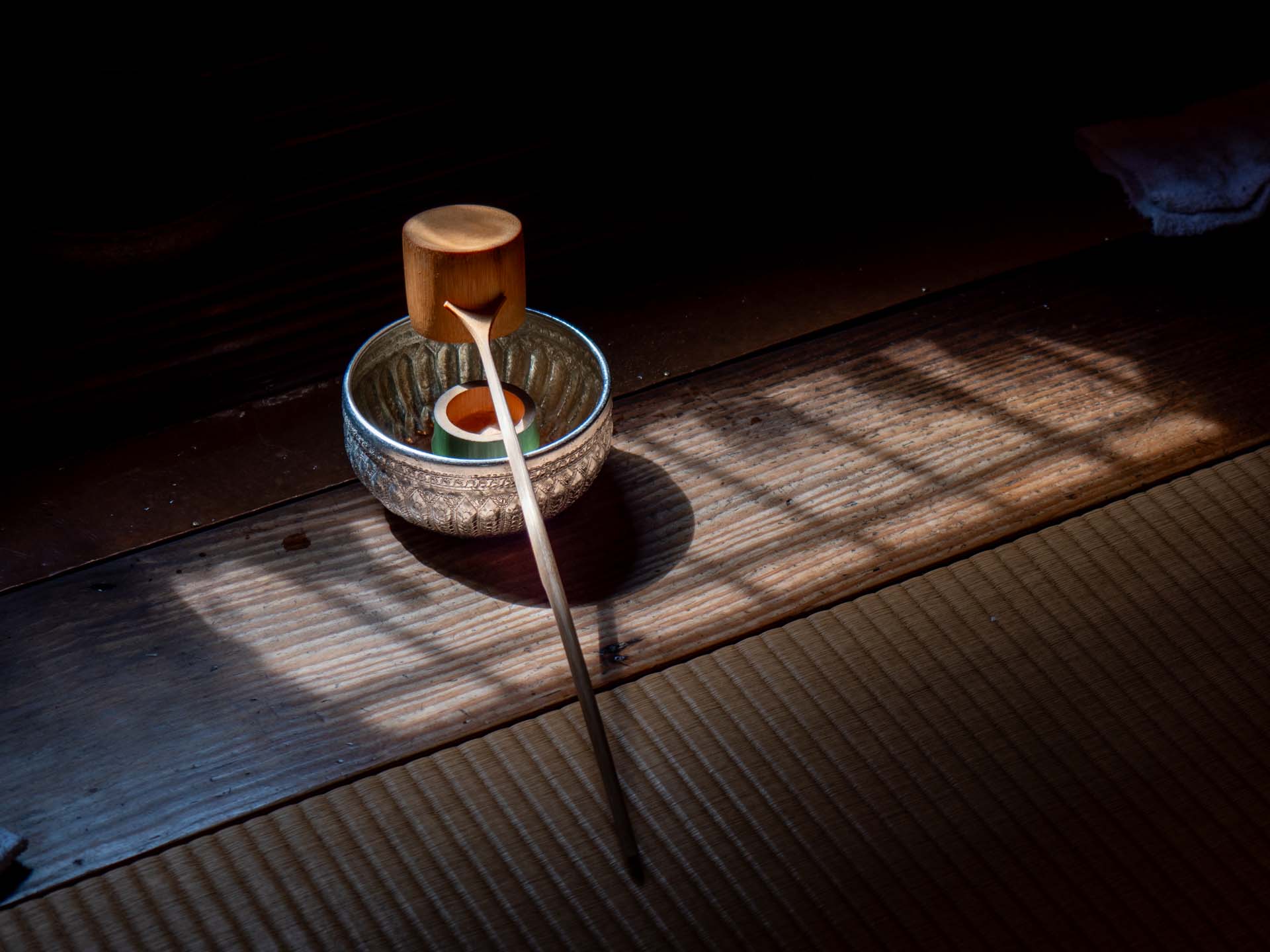
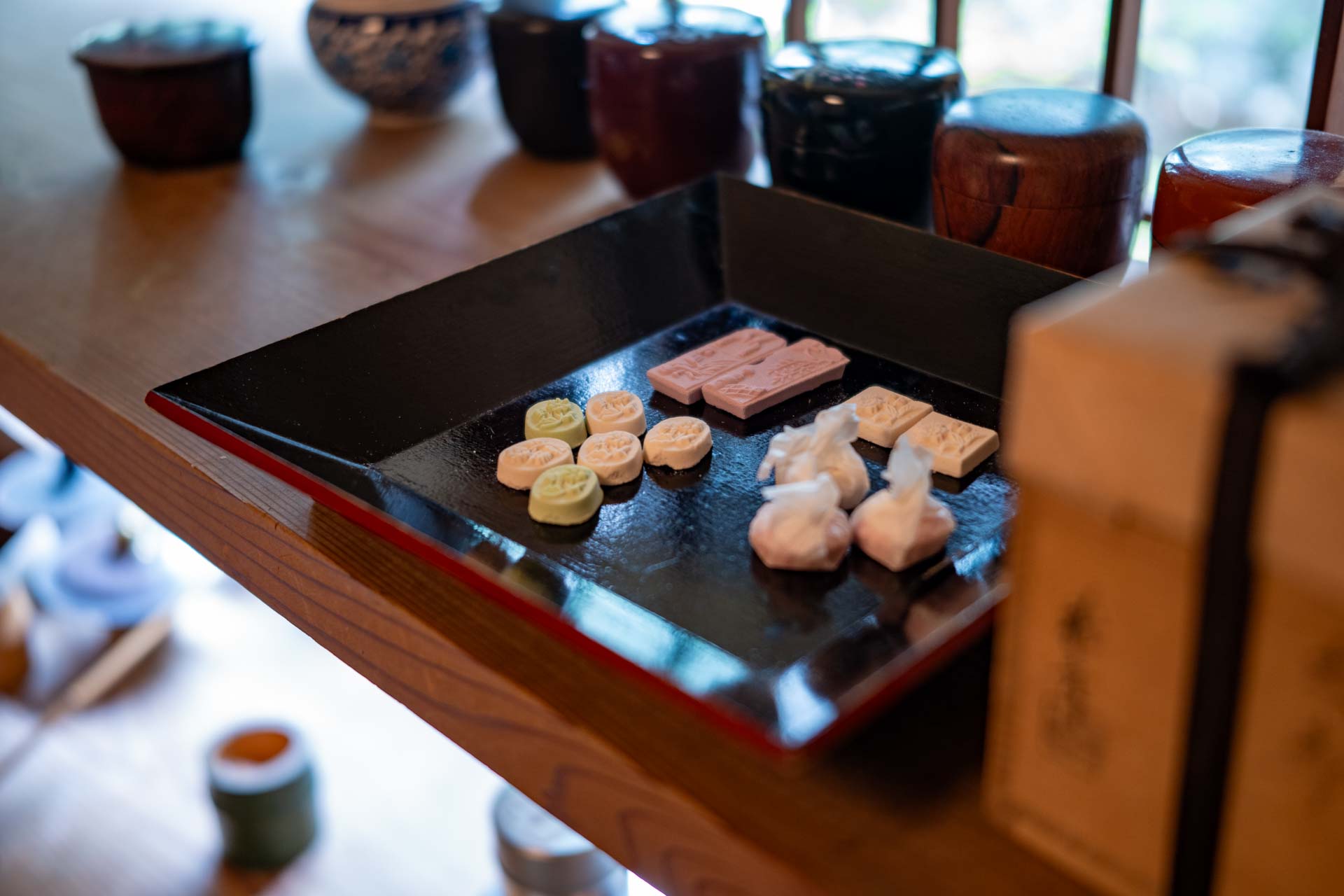
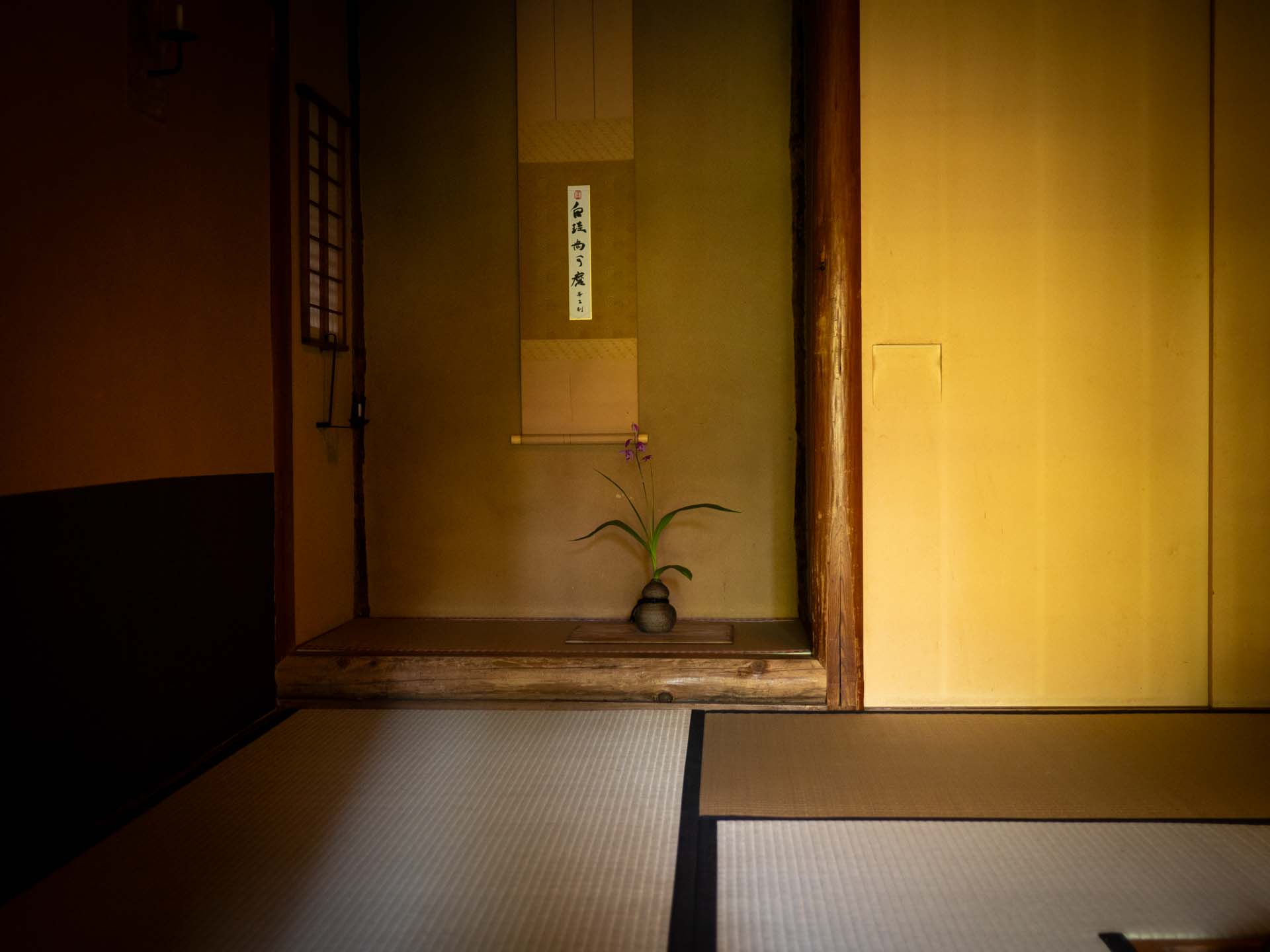
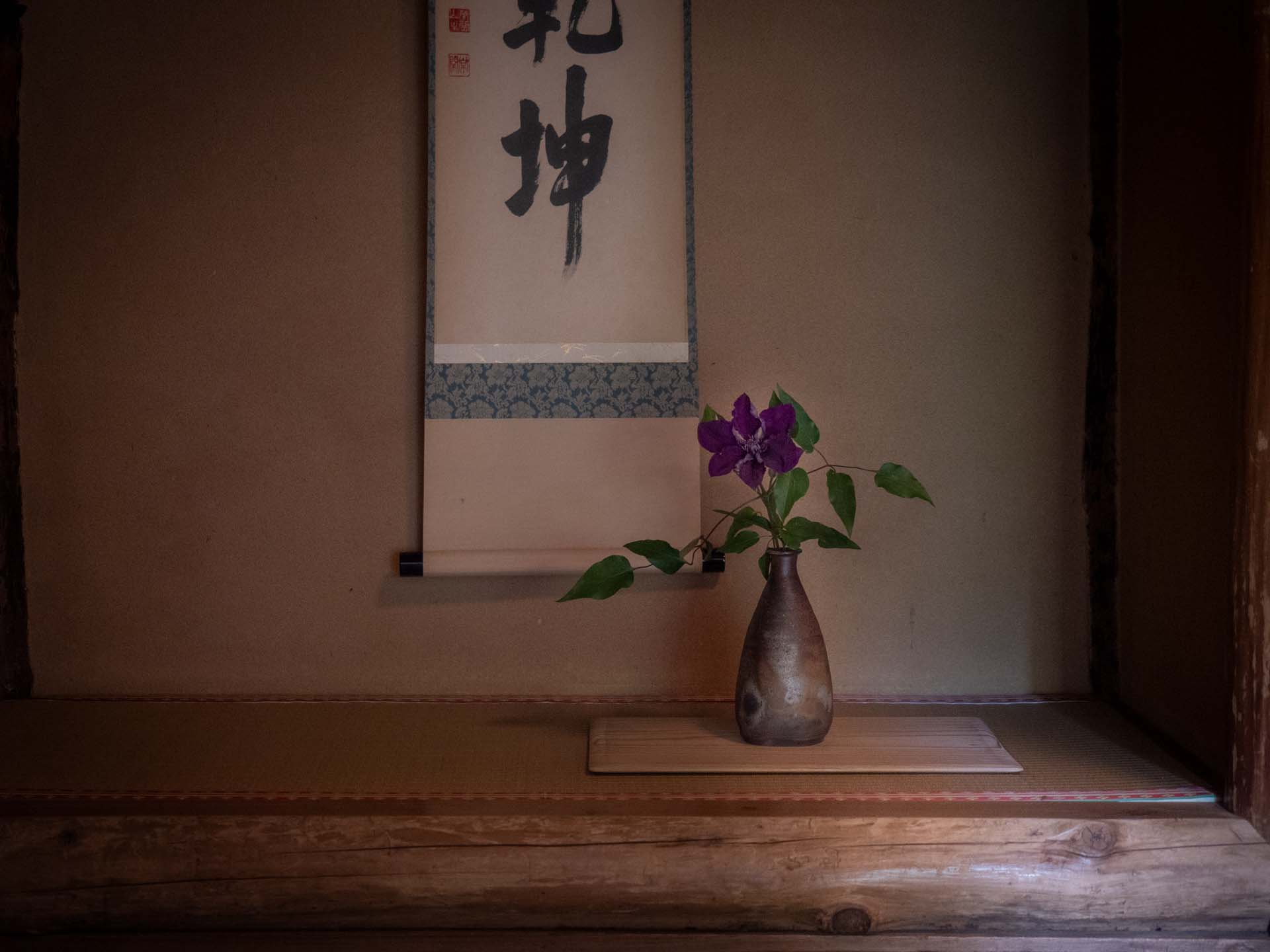
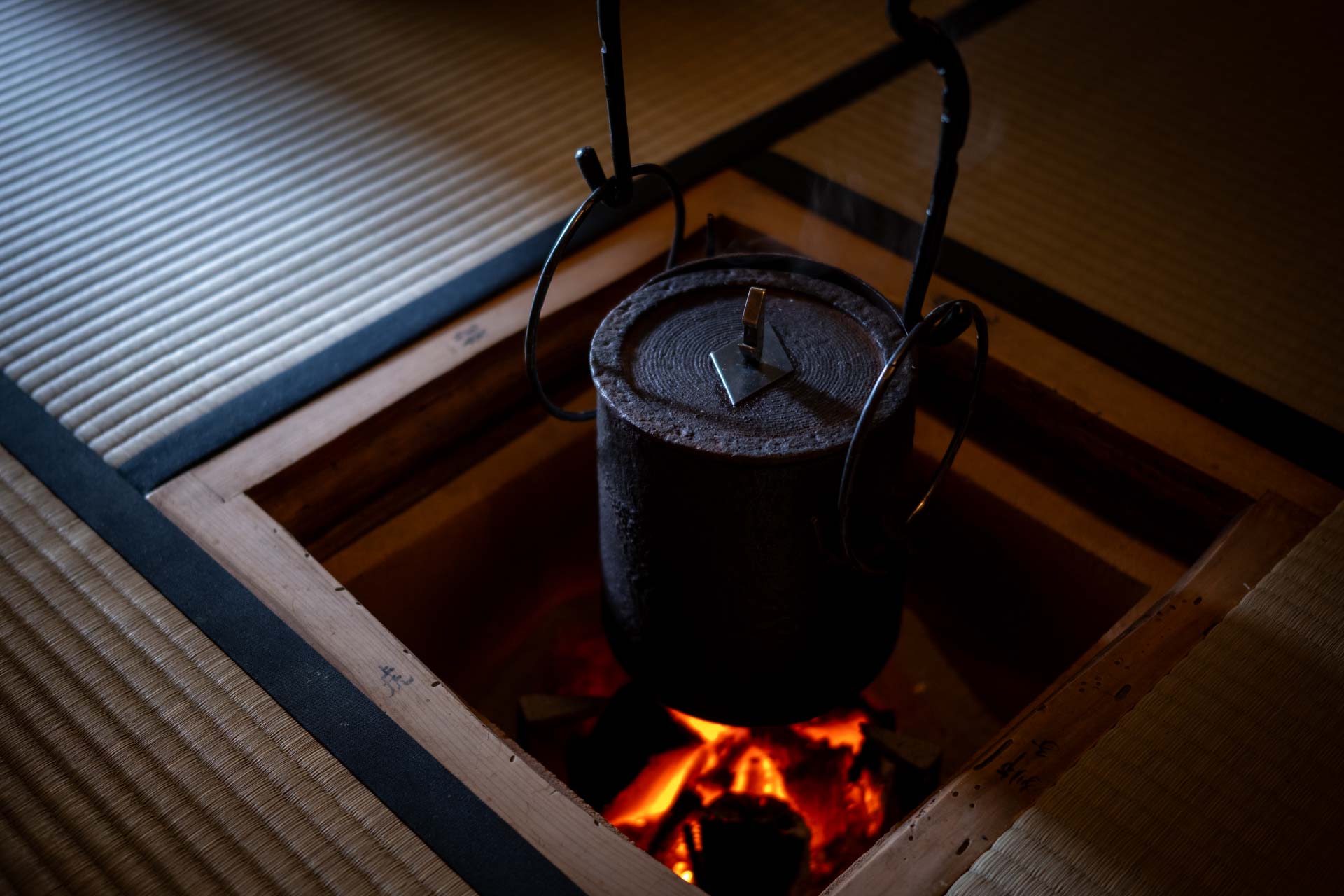
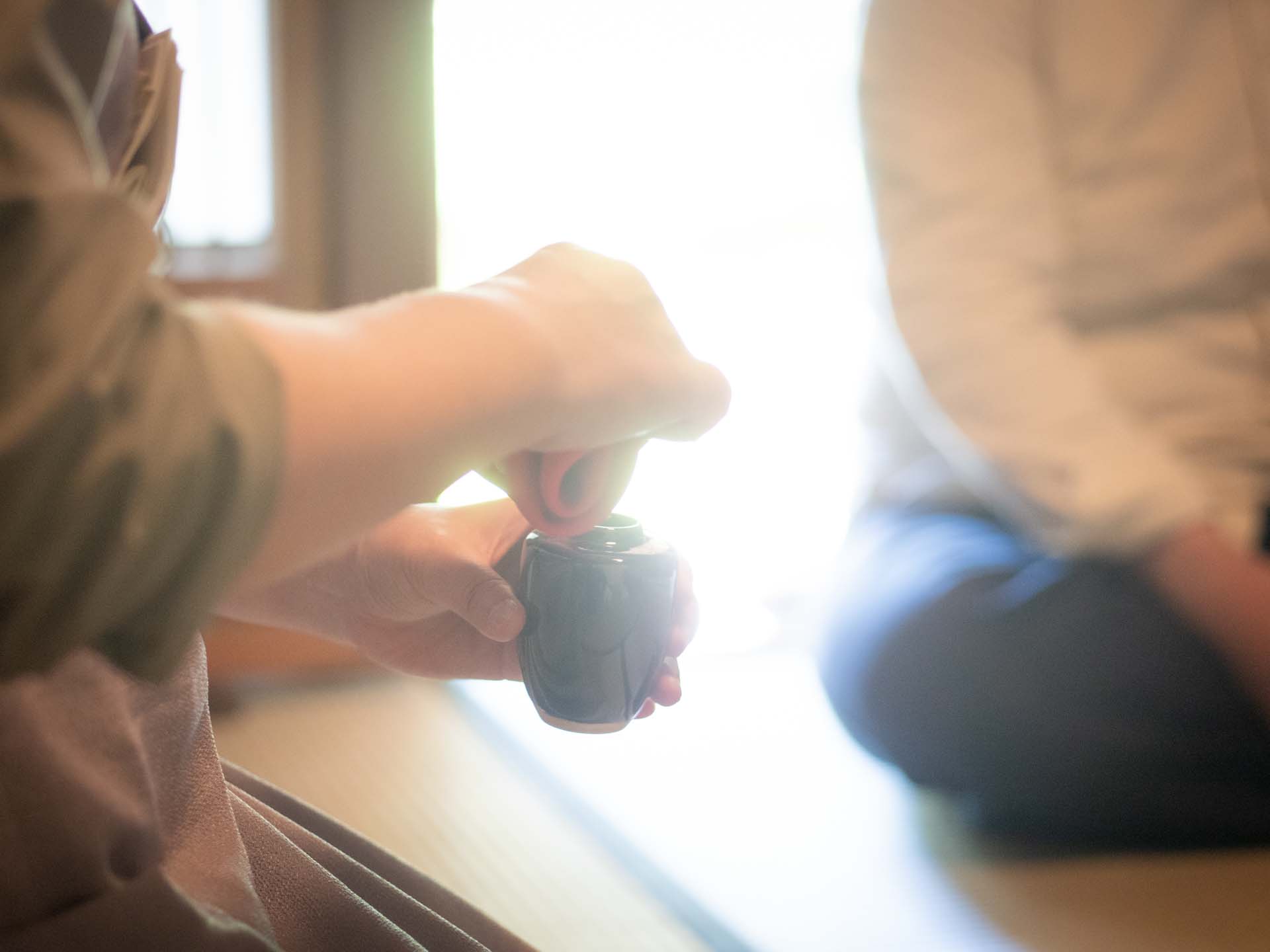
This experience is not designed as a presentation of a finished tea performance.
It is a small, private gathering in a quiet tea room in Kyoto, where guests are invited to enter the time of tea itself and share one bowl with a practitioner.
What matters here is not theatrical display, nor a formal explanation of rules and procedures.
It is the act of entering the space, listening carefully, observing the gestures, and taking part in the time that unfolds there.
Tea is not only something to be explained.
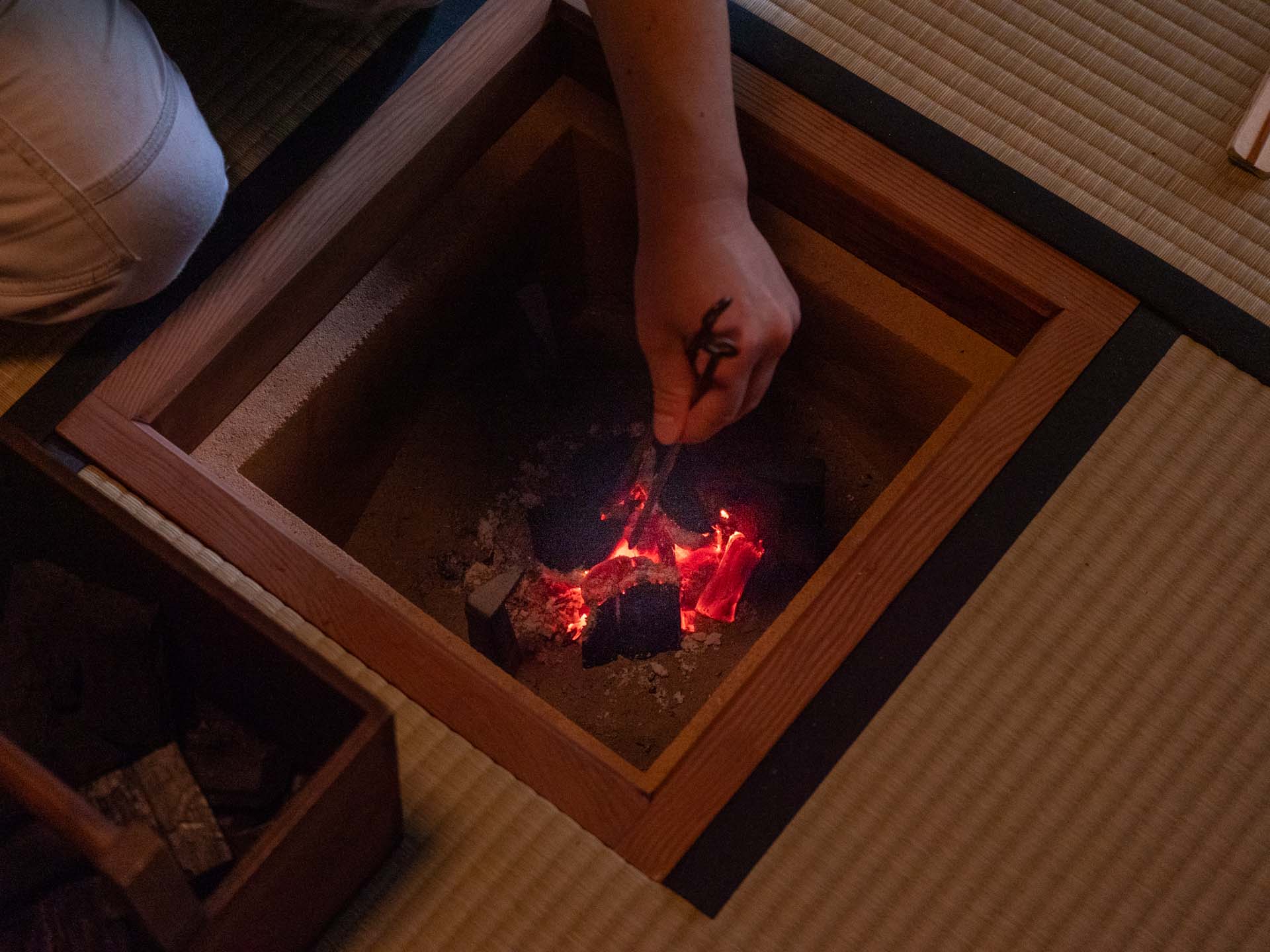
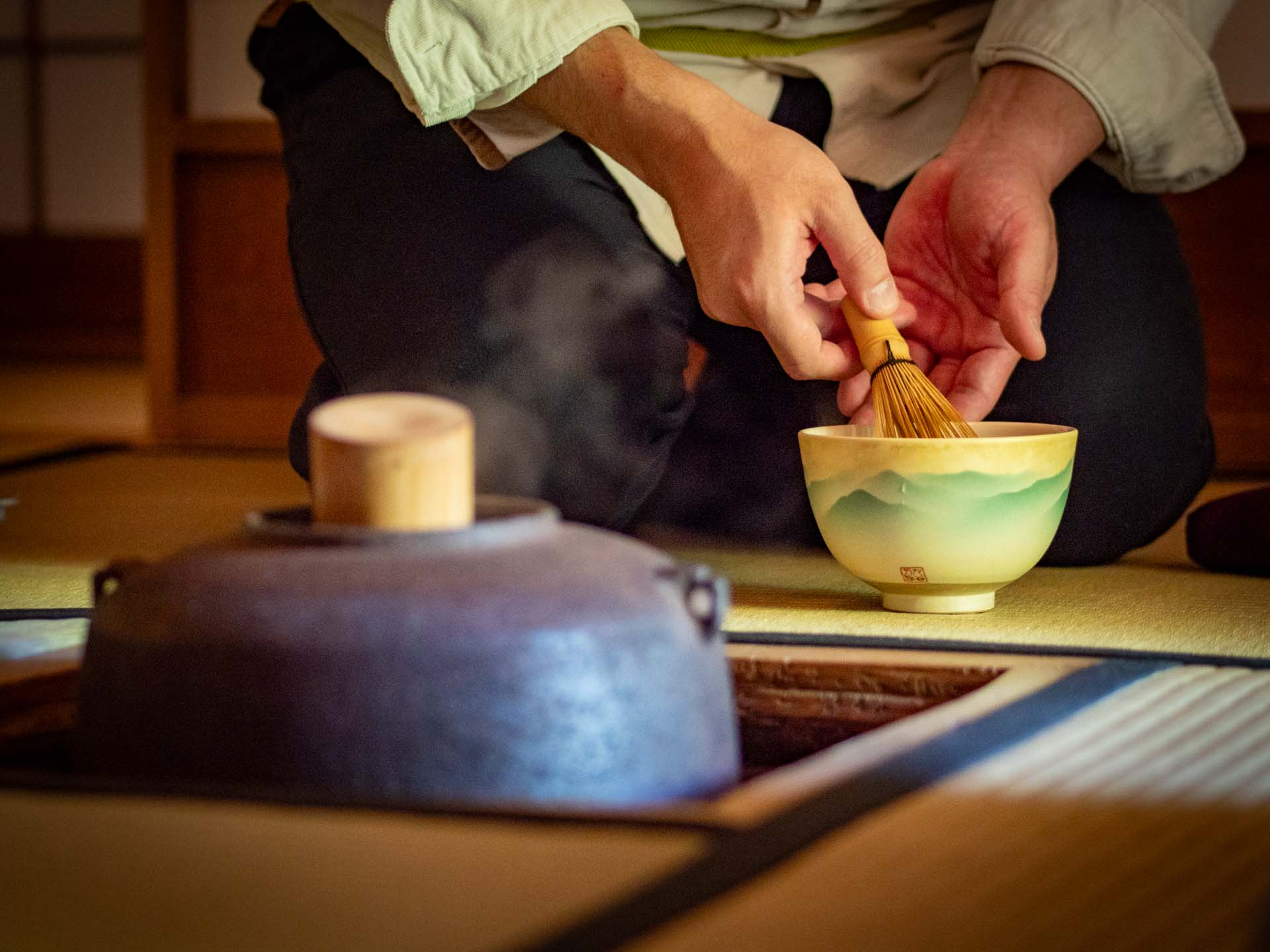
Water is heated, charcoal glows, tea is prepared, and one bowl is offered to a guest.
Within this quiet sequence, there are many things that cannot be fully put into words.
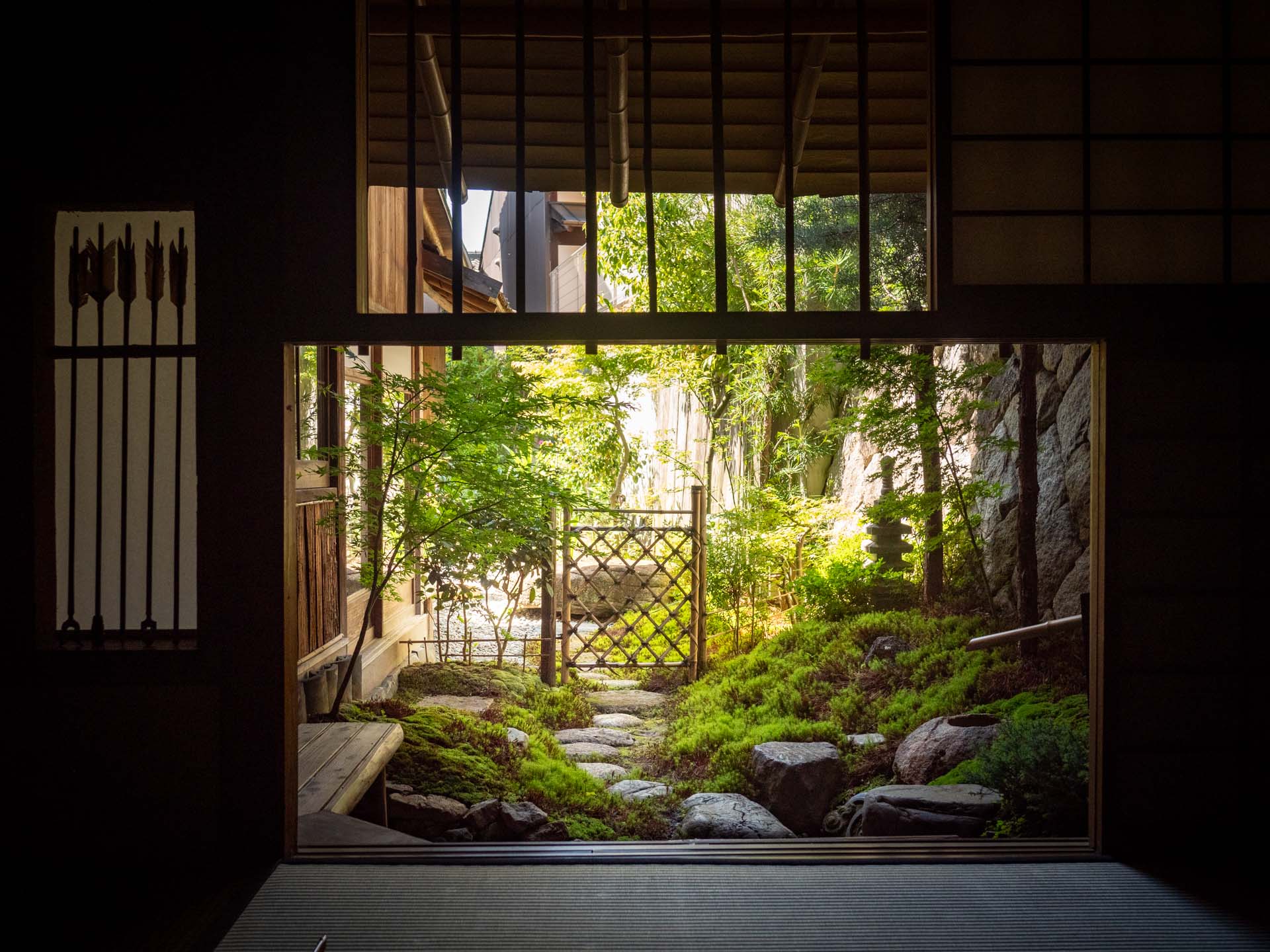
The gathering takes place at Shotoku-an, near Funaokayama in Kyoto.
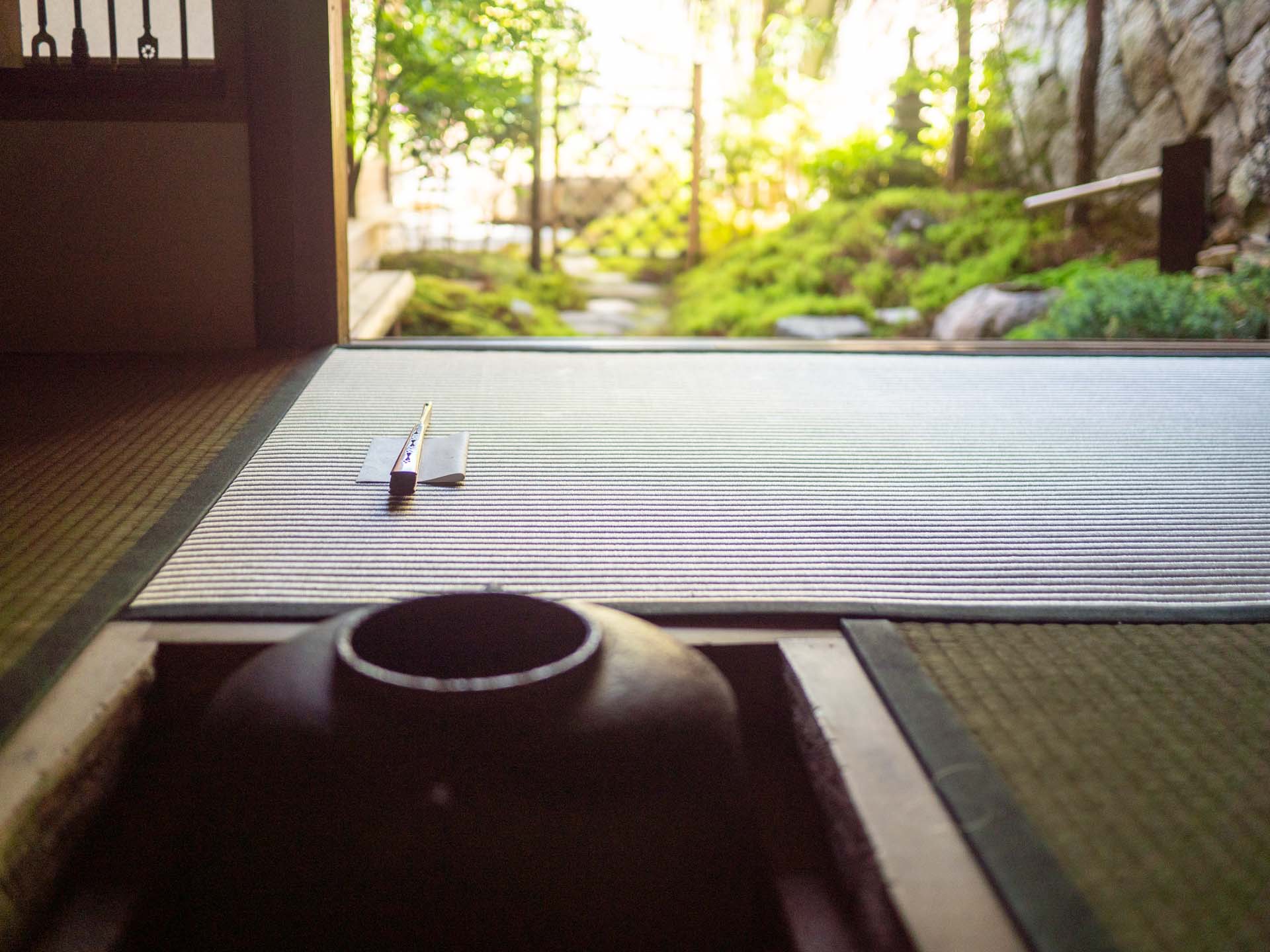
There is a garden, a path, a preparation room, a waiting space, a small entrance to the tea room, and a four-and-a-half tatami mat room where the session unfolds.
Real charcoal is used in the hearth, and the water in the kettle begins to sound softly.
In tea, the sound of boiling water is sometimes called matsukaze — “the wind in the pines.”
It is not merely background sound. It is part of the atmosphere that shapes the time.
Before tea is served, guests are invited to observe the movements, listen to the sound, and feel the presence of the room.
From that stillness, conversation begins naturally.
Tea has many forms, gestures, and traditions.
But this experience is not centered on the complexity of form itself.
At the heart of the gathering is something very simple:
tea is prepared with care, one bowl is shared, and each guest is invited to encounter the act of making tea directly.
Within that simple exchange are attention, care, movement, tools, relationship, and time shared between people.
In this experience, tea is not something to watch from a distance.
Guests are invited to encounter it directly.
You may observe, listen, take part in making tea, and speak in your own words about what you notice.
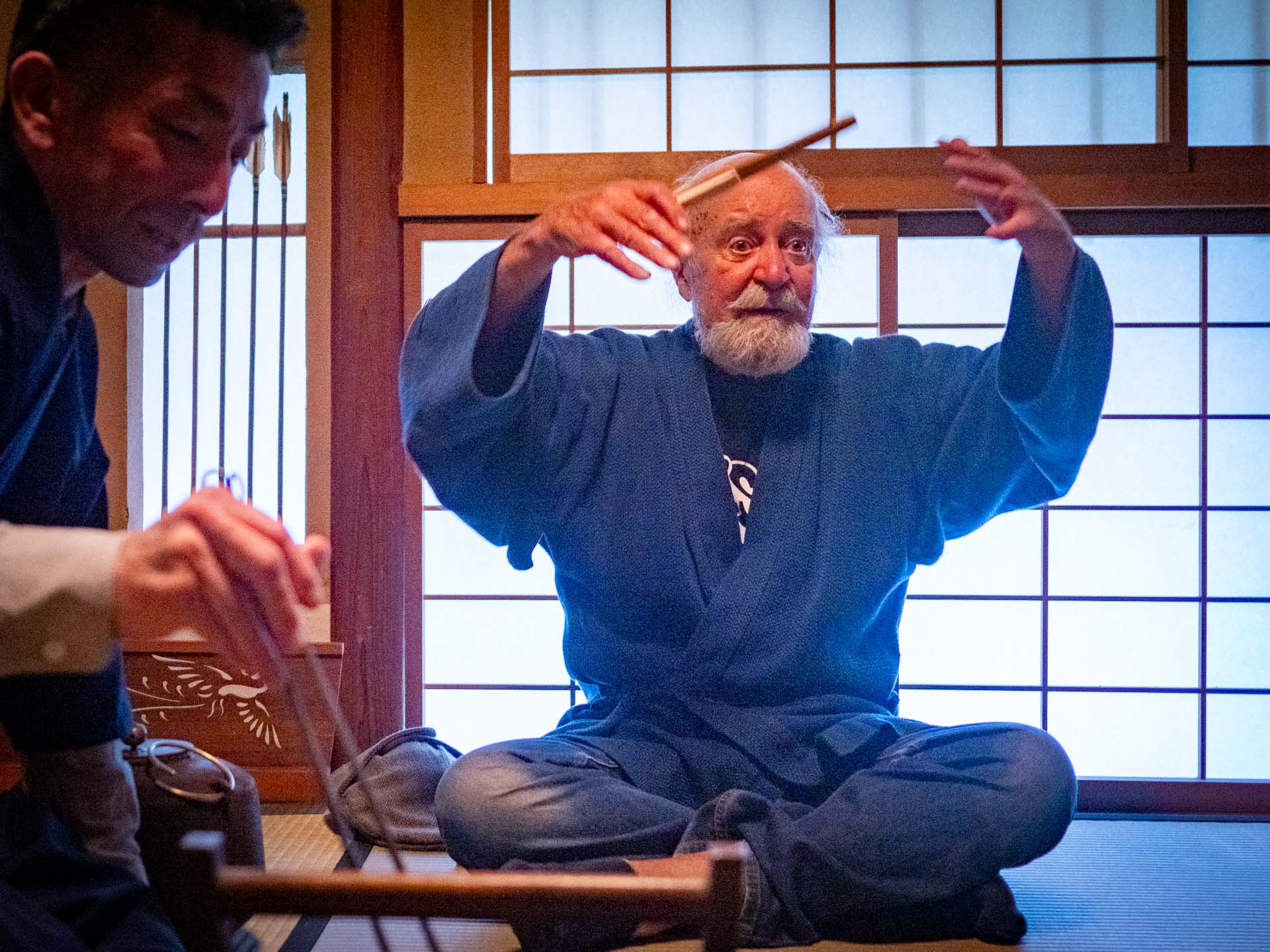
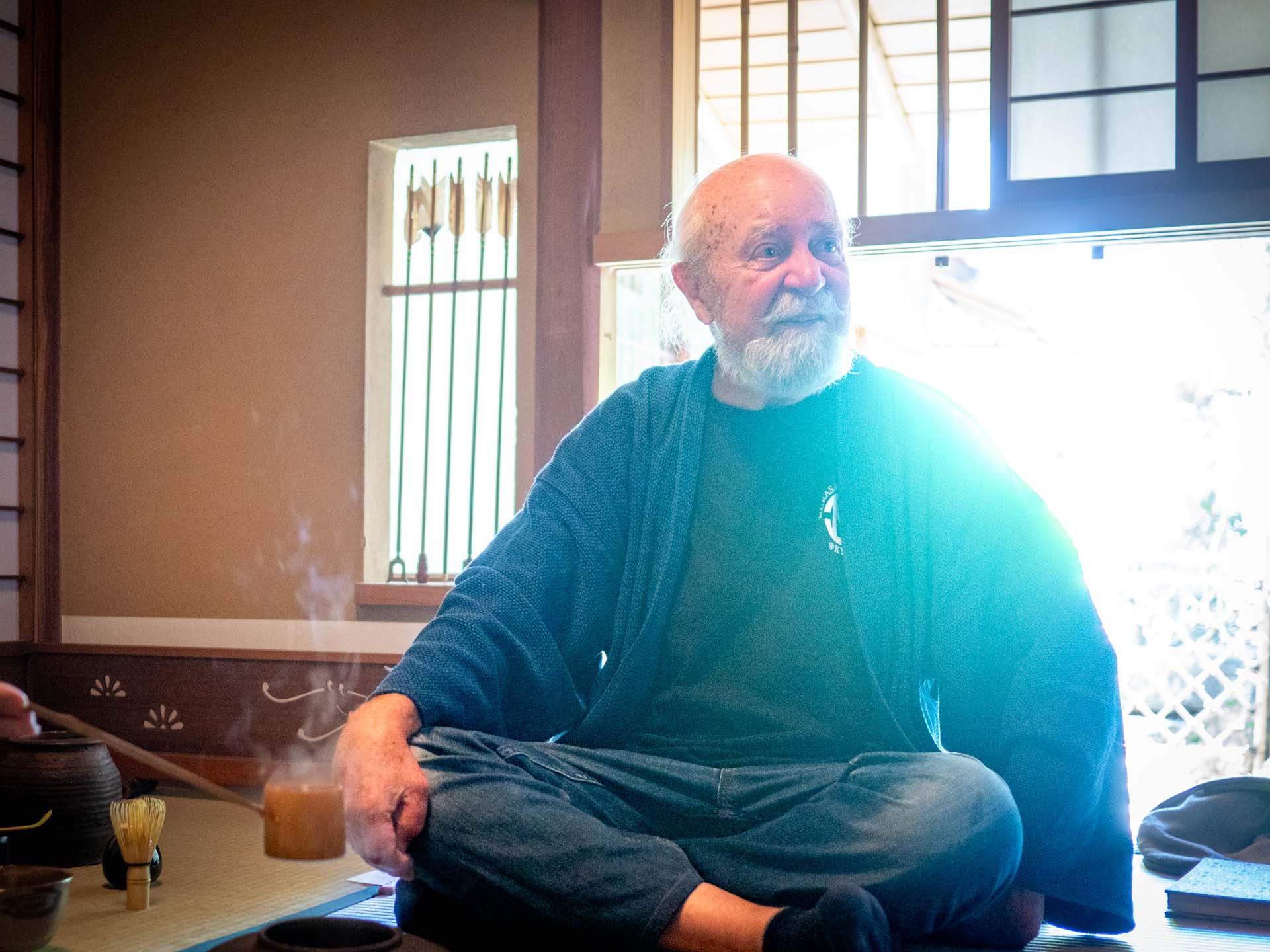
The gathering is guided by Jack Convery, known in tea as SoKo, a Kyoto-based practitioner of Urasenke tea.
Tea is not presented here as a title, a performance of status, or a display of knowledge.
It is approached as a practice shaped through long repetition, bodily memory, and transmission from teacher to student, from person to person.
His tea name and Urasenke background offer one way to understand the depth behind the session.
But what matters most in this room is not a title.
It is how one meets the bowl in front of them, and how that time is shared.
This is not a session built only around receiving explanations.
There may be conversation about the tea room, the utensils, the charcoal, or the gestures of making tea.
But the deeper value of the experience lies in what each guest notices for themselves.
In the time of tea, listening happens.
Reflection follows.
And sometimes, in a small and quiet way, discovery appears.
It does not need to be dramatic.
It may be the sound of the kettle that remains with you.
It may be the feeling of holding a tea bowl in your hands.
It may be the quiet awareness of preparing tea with care, guided by someone who has practiced tea over many years.
These small discoveries are at the center of this gathering.
This is not a quick way to consume something “Japanese.”
Nor is it a strict lesson in correct form.
It is an opportunity to sit in a Kyoto tea room and come into quiet contact with the practice of tea.
Charcoal, water, a tea bowl, gestures, conversation — each element comes together as part of one shared time.
No prior knowledge of tea is required.
What matters is to slow down, to look carefully, to listen, and to be present.
Tea is not only a culture to be viewed from the outside.
It is also a time that arises between people.
We hope this small gathering will remain with you as a quiet and meaningful memory of your time in Kyoto.
Interested in this experience?
The experience takes place in a quiet tea room in Kyoto. The detailed location will be shared by email when we confirm availability for your requested date.
Booking requests must be submitted at least 10 days before your preferred date. After we confirm availability, we will send payment details by email. Your booking is confirmed only after payment has been completed.
Please complete payment within 48 hours after we send the payment link. If payment is not completed within this period, your booking request may be cancelled.
"A quiet and deeply memorable experience. The tea room, the charcoal, and the conversation stayed with me long after the session. It felt less like a performance and more like being invited into a thoughtful practice."
"This was one of the most peaceful experiences I had in Kyoto. The pace was unhurried, and every detail—from the sound of the kettle to the way tea was prepared—felt meaningful. I left feeling calm and quietly refreshed."
"A beautiful and intimate introduction to tea in Kyoto. What made it special was not only the tea itself, but the atmosphere, the charcoal fire, and the gentle conversation around the practice. It felt personal, sincere, and very different from a typical tour."
"I appreciated how small and thoughtful this experience was. There was time to observe, ask questions, and take part without feeling rushed. The session gave me a deeper sense of tea as a living practice, not just something to watch."
"I appreciated how small and thoughtful this experience was. There was time to observe, ask questions, and take part without feeling rushed. The session gave me a deeper sense of tea as a living practice, not just something to watch."