Awai Studio Experience
Private Tea Experience in Kyoto with a Chado Practitioner
Cultural experiences in Kyoto for small groups, shaped through practice, study, thoughtful discussion, and reflection.
Highlights
- Experience private tea in a quiet Kyoto tea room, away from crowded tourist areas.
- Make tea yourself under the guidance of a Kyoto-based practitioner rooted in the Urasenke tradition.
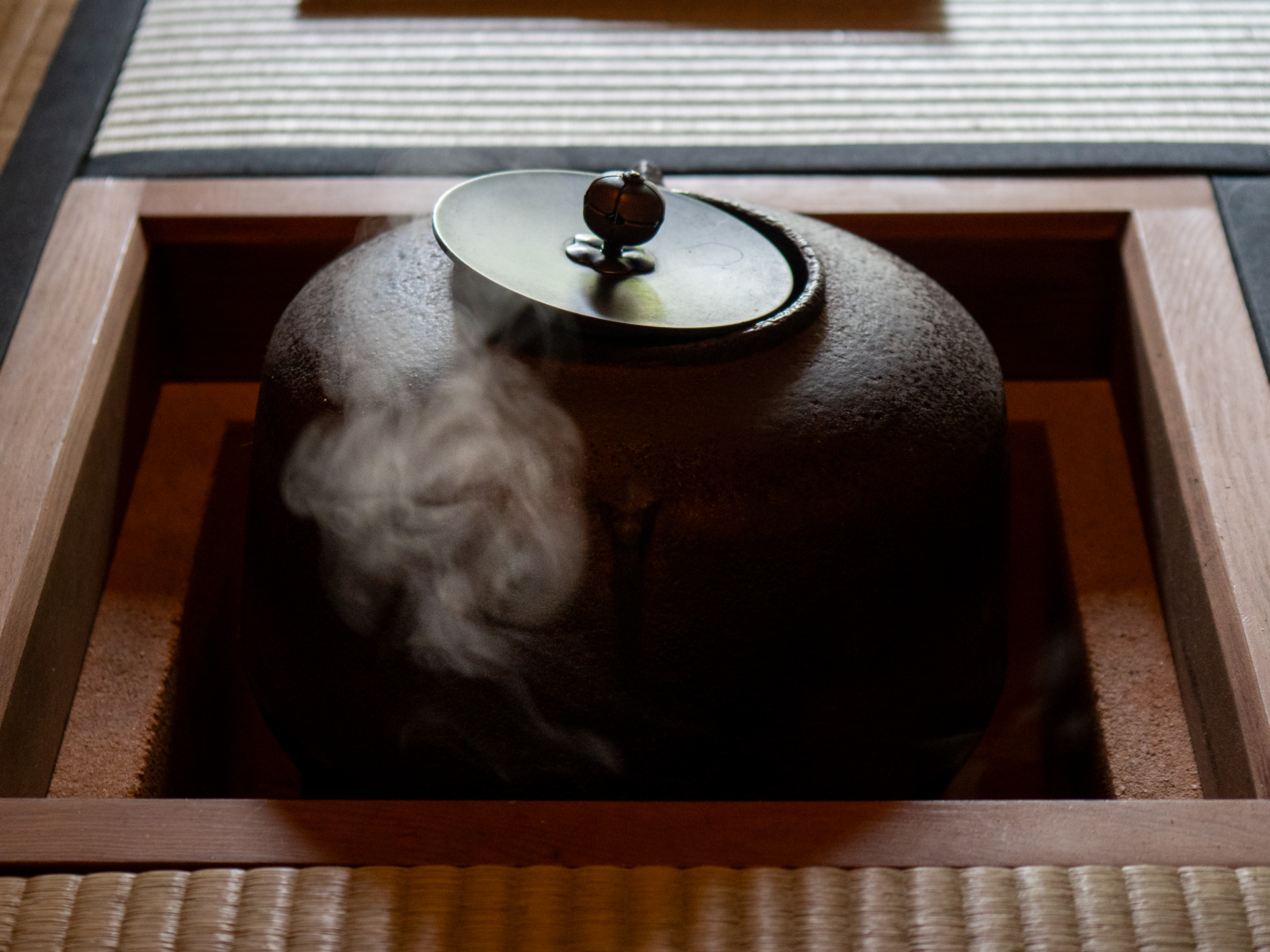
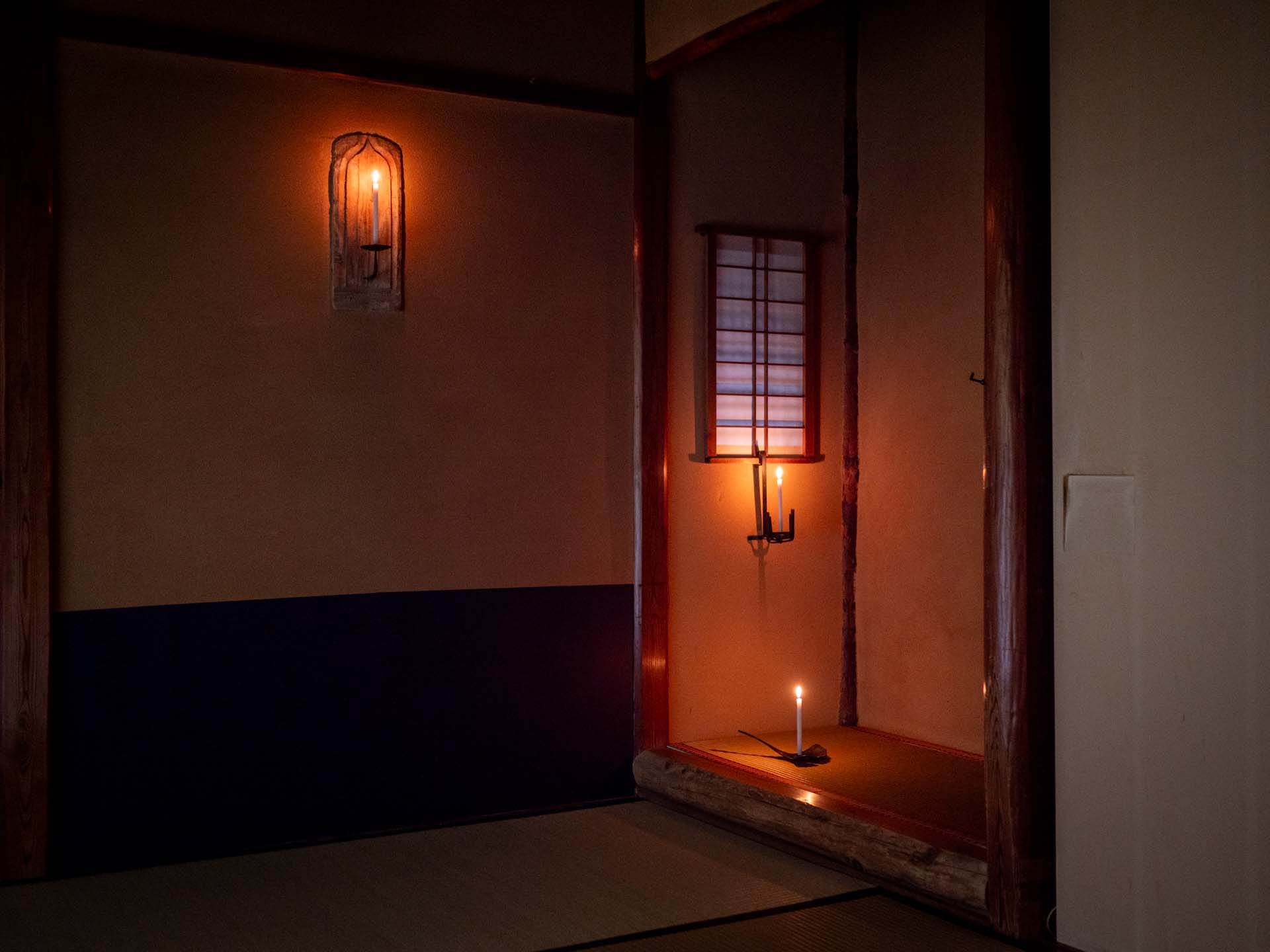
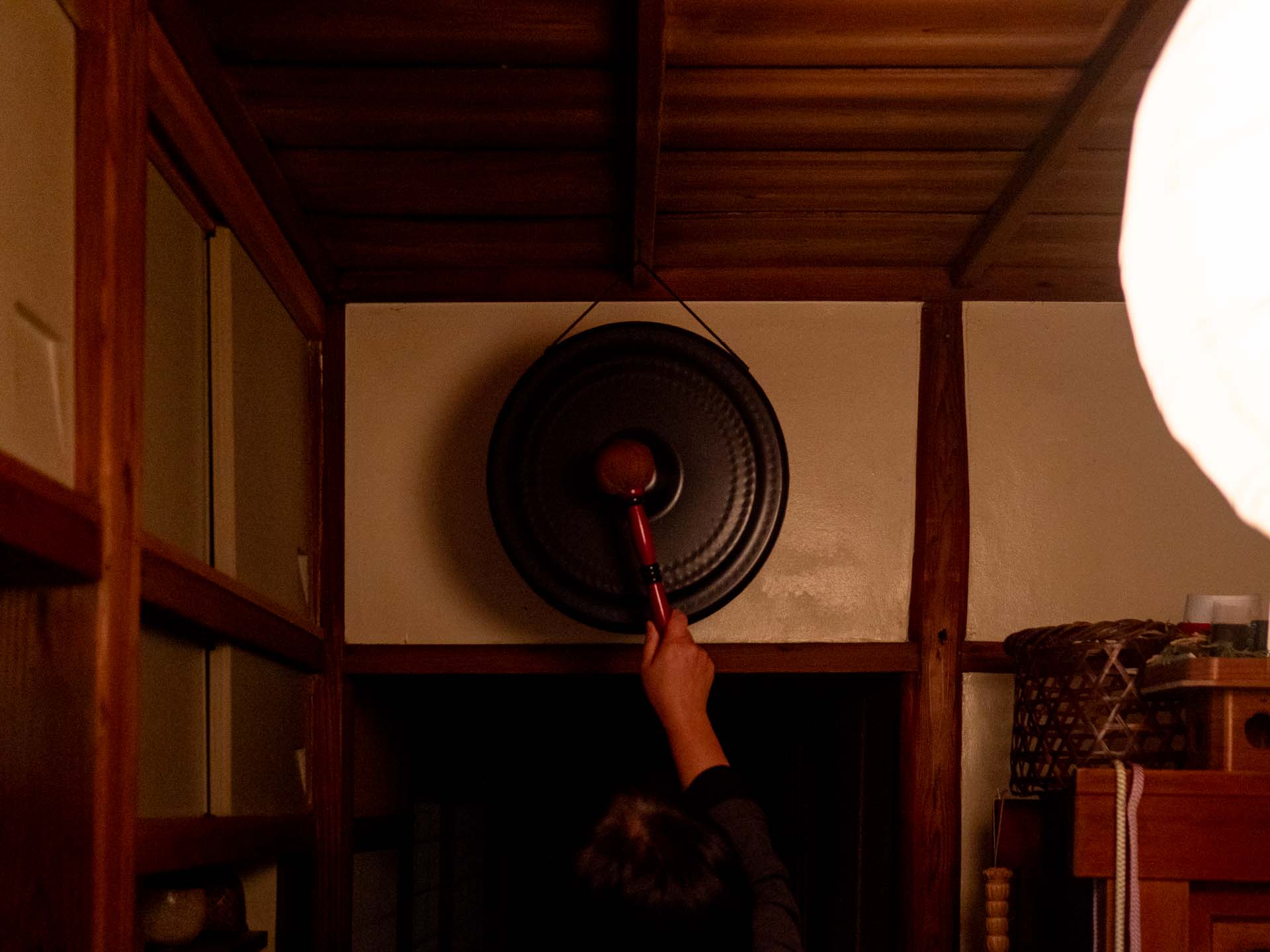
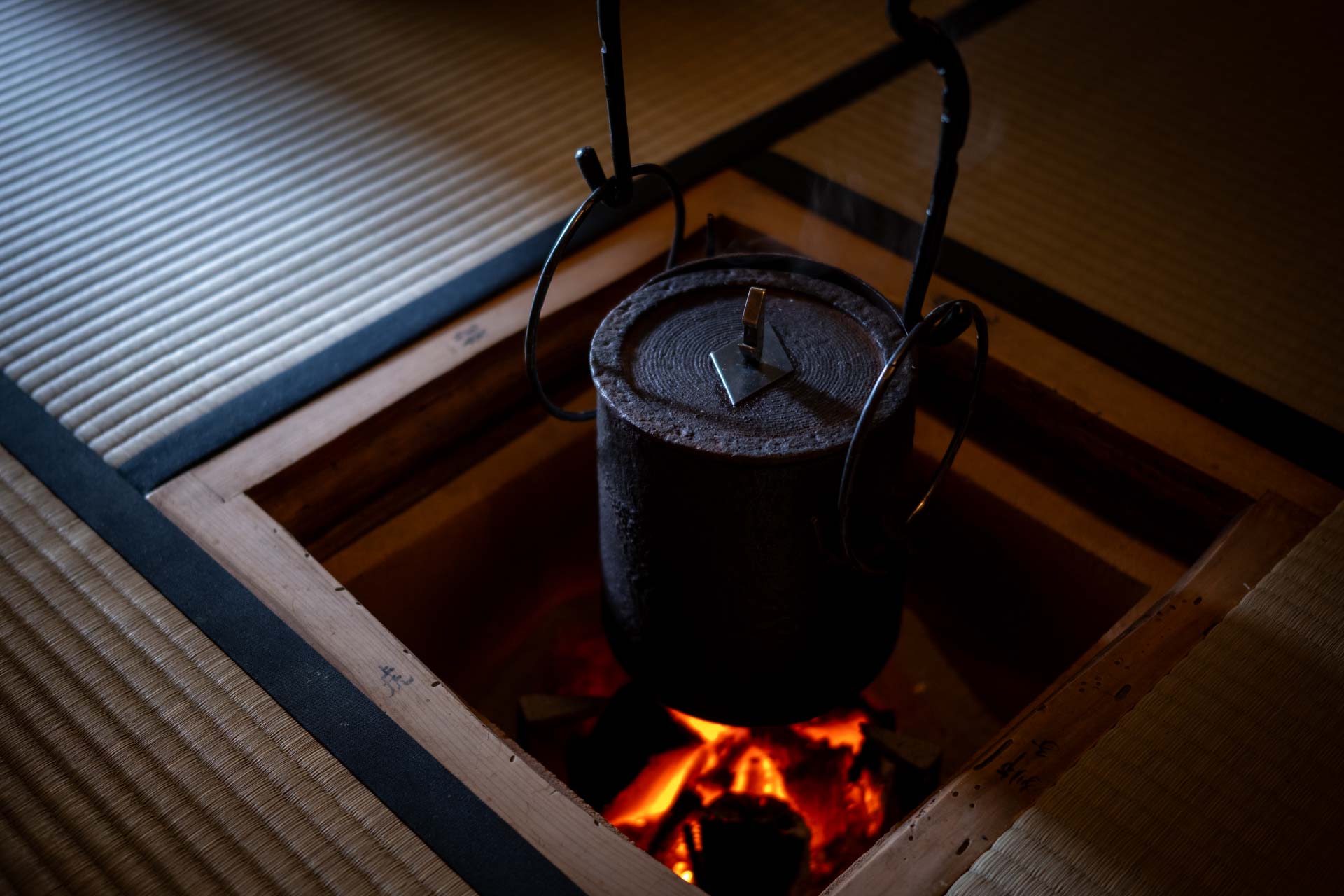
- Notice the atmosphere created by real charcoal, sound, fragrance, the glow of candles, and stillness.
- Take part in thoughtful conversation on tea, Japanese aesthetics, and cultural sensibilities.
- Enjoy a private session designed for presence, attention, and small-group depth.
Full Description
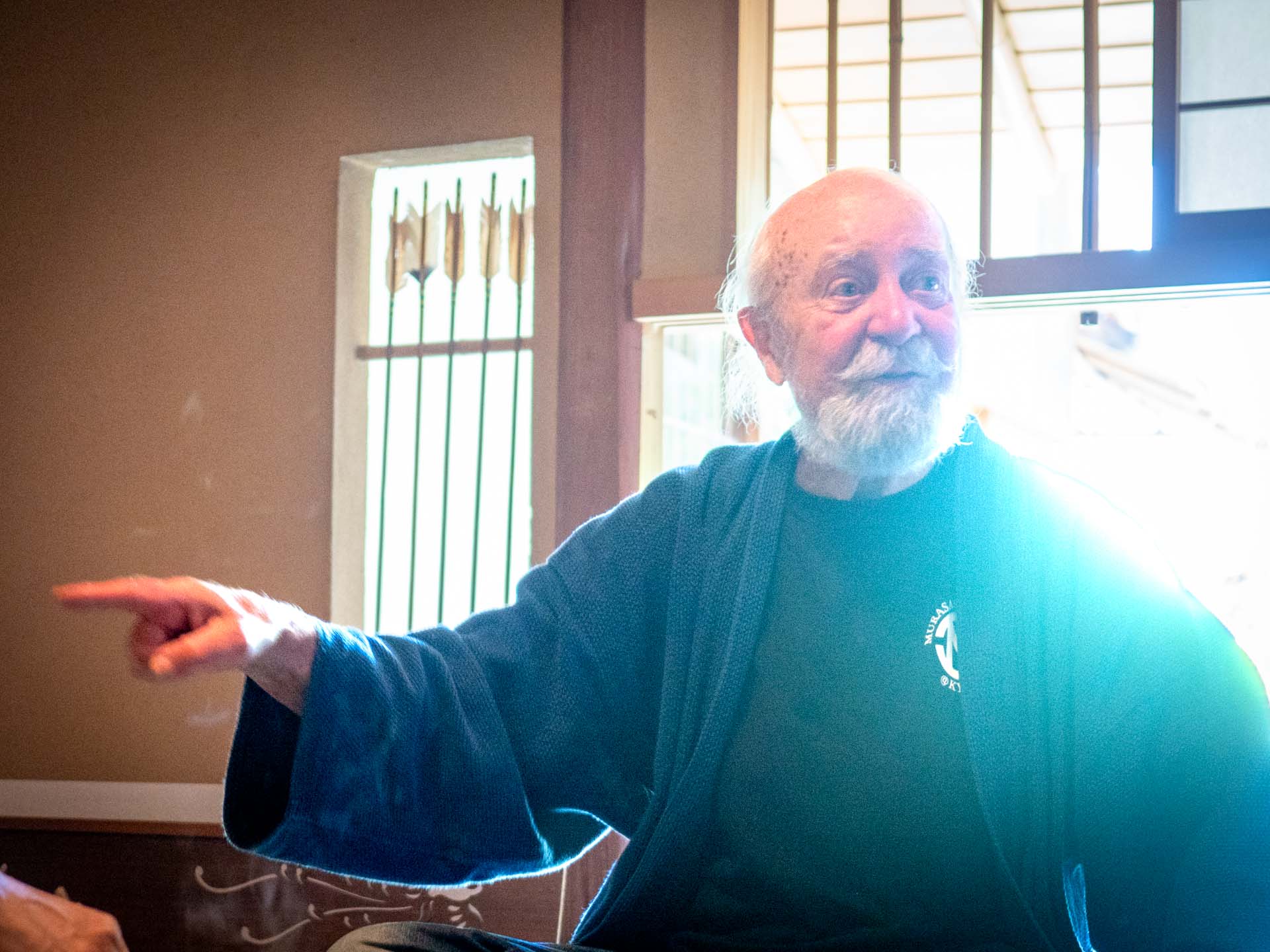
Not a Performance, but an Invitation into Tea
This experience is not designed as a presentation of a finished tea performance, not something controlled by schedule or some fixed time.
It is a small, private gathering in a quiet tea house in Kyoto, where guests are invited to enter into the very moment of tea itself and share one bowl with a practitioner.
What matters here is not theatrical display, nor a formal explanation of rules and procedures.
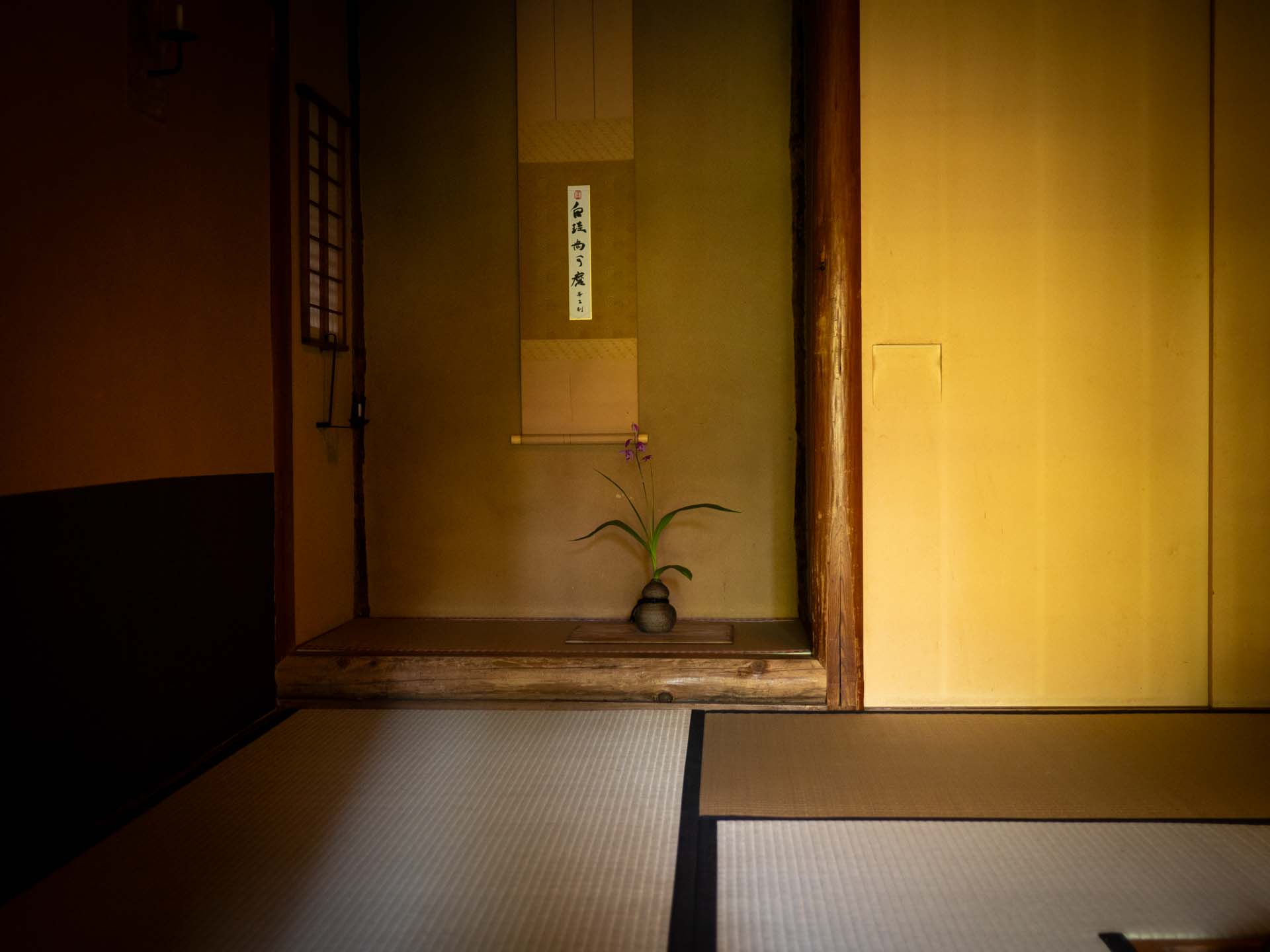
It is the act of entering into the space, listening carefully, observing the gestures, and taking part in the time that unfolds there. And discovering that there is only space, and something moving in that space. Maybe even, something profound, amazing, and magical happening in that primordially pure space of the four-and-a-half tatami room.
Tea is not only something to be explained.
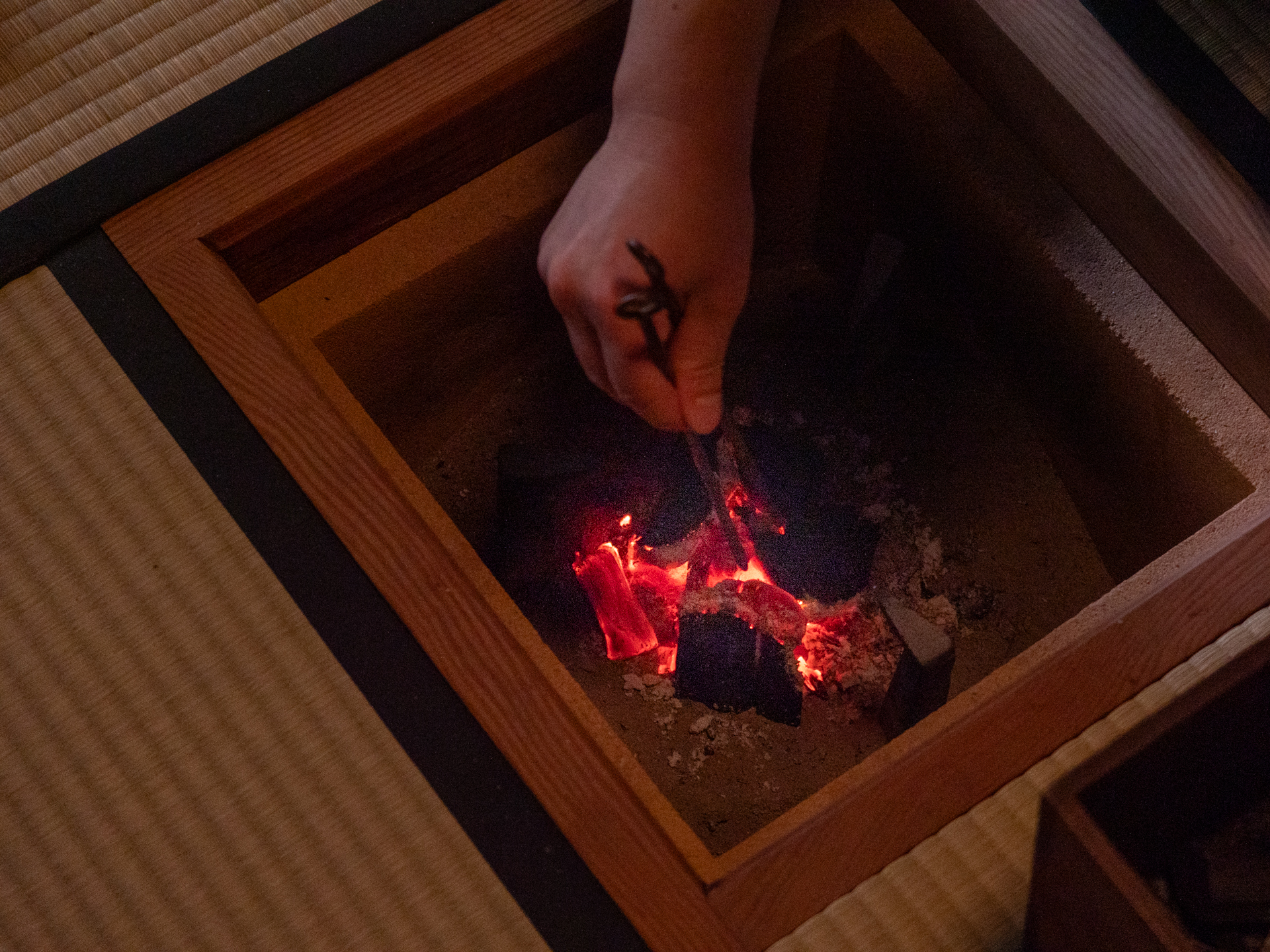
Water is heated, charcoal glows, tea is prepared, a bowl of tea is offered to a guest.
Within this quiet sequence, there are many things that cannot be fully put into words. There are many things that just might arise from the depths of the human heart.
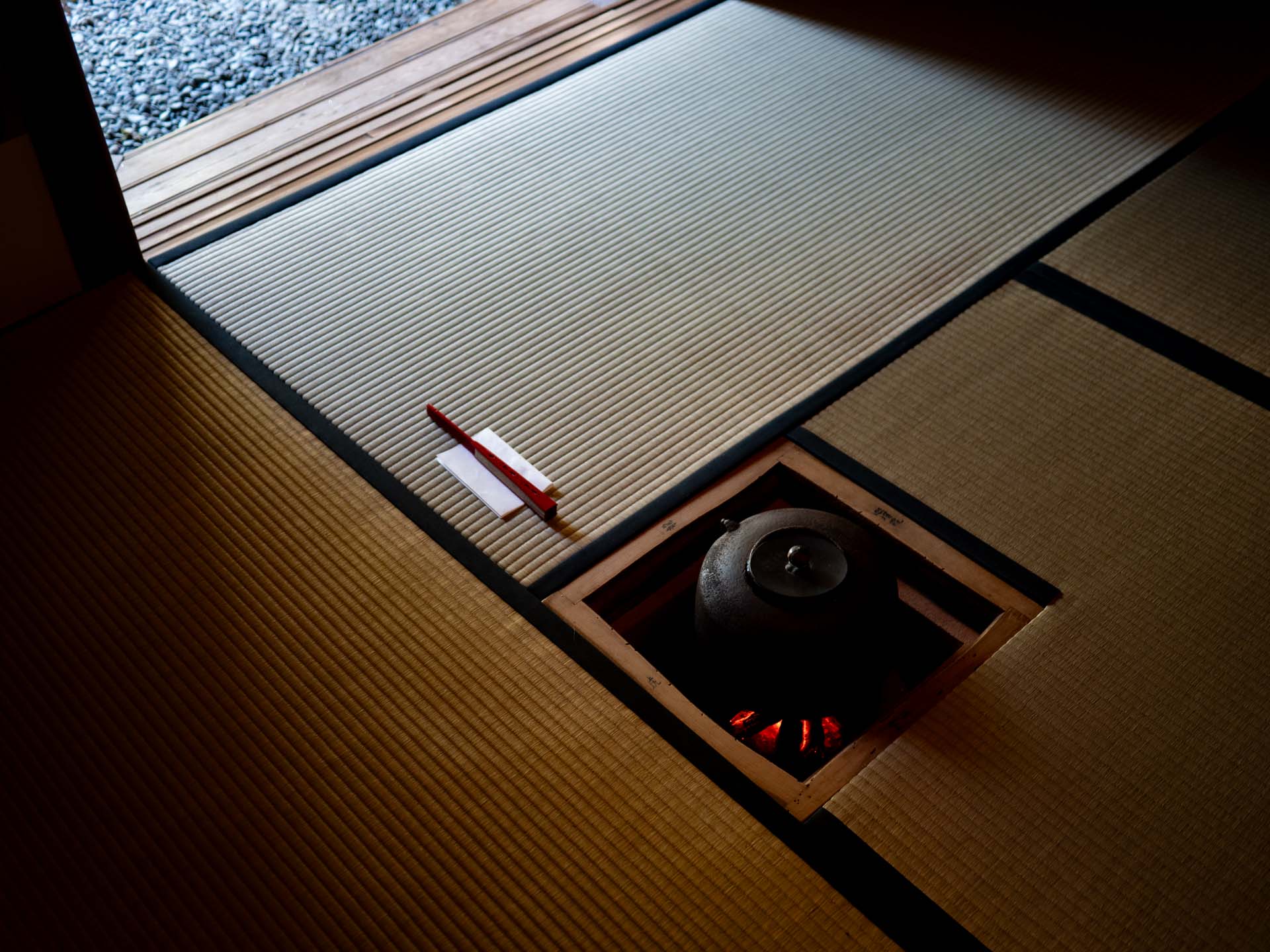
Charcoal, Water, and the Stillness of the Tea House
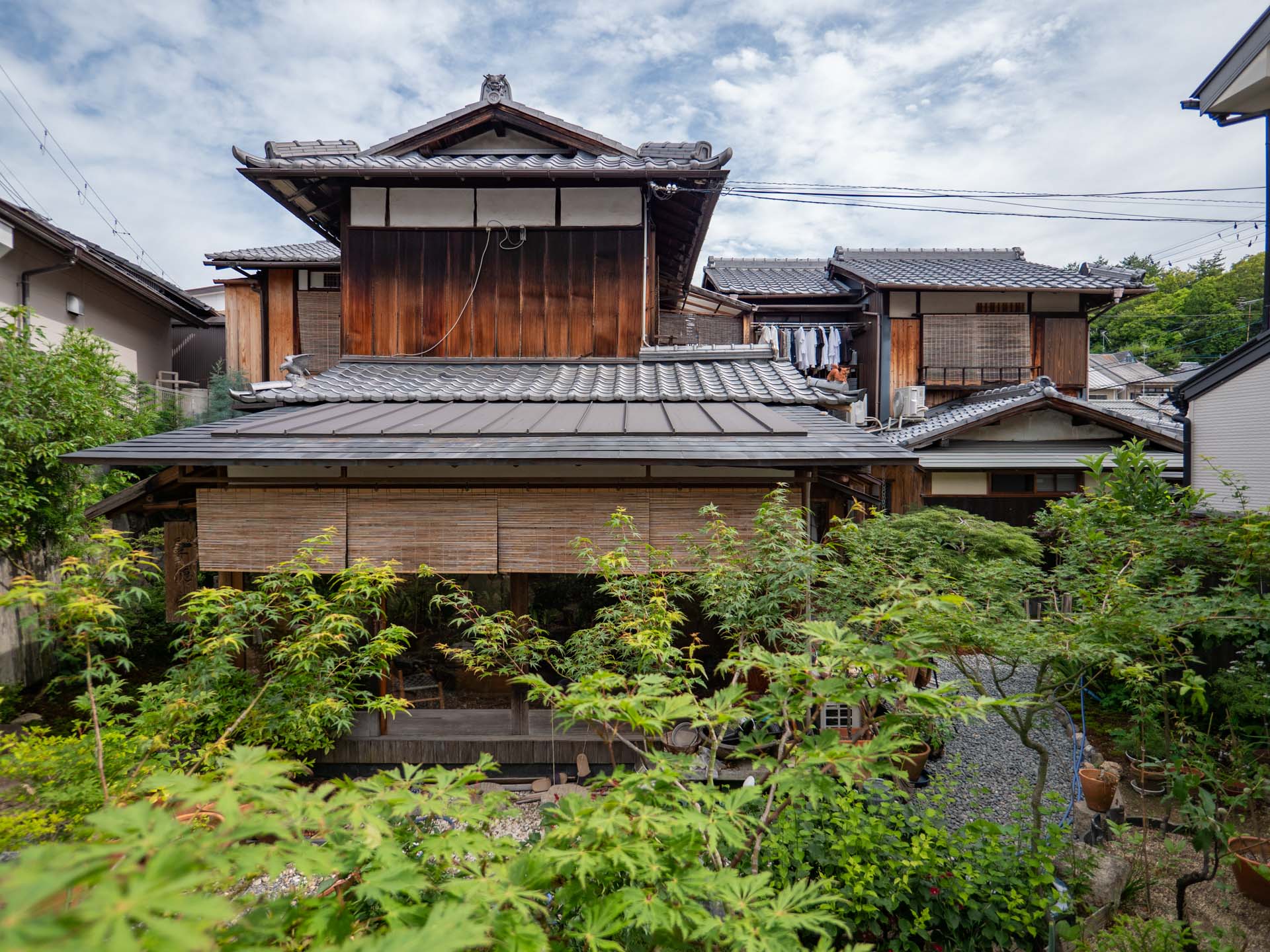
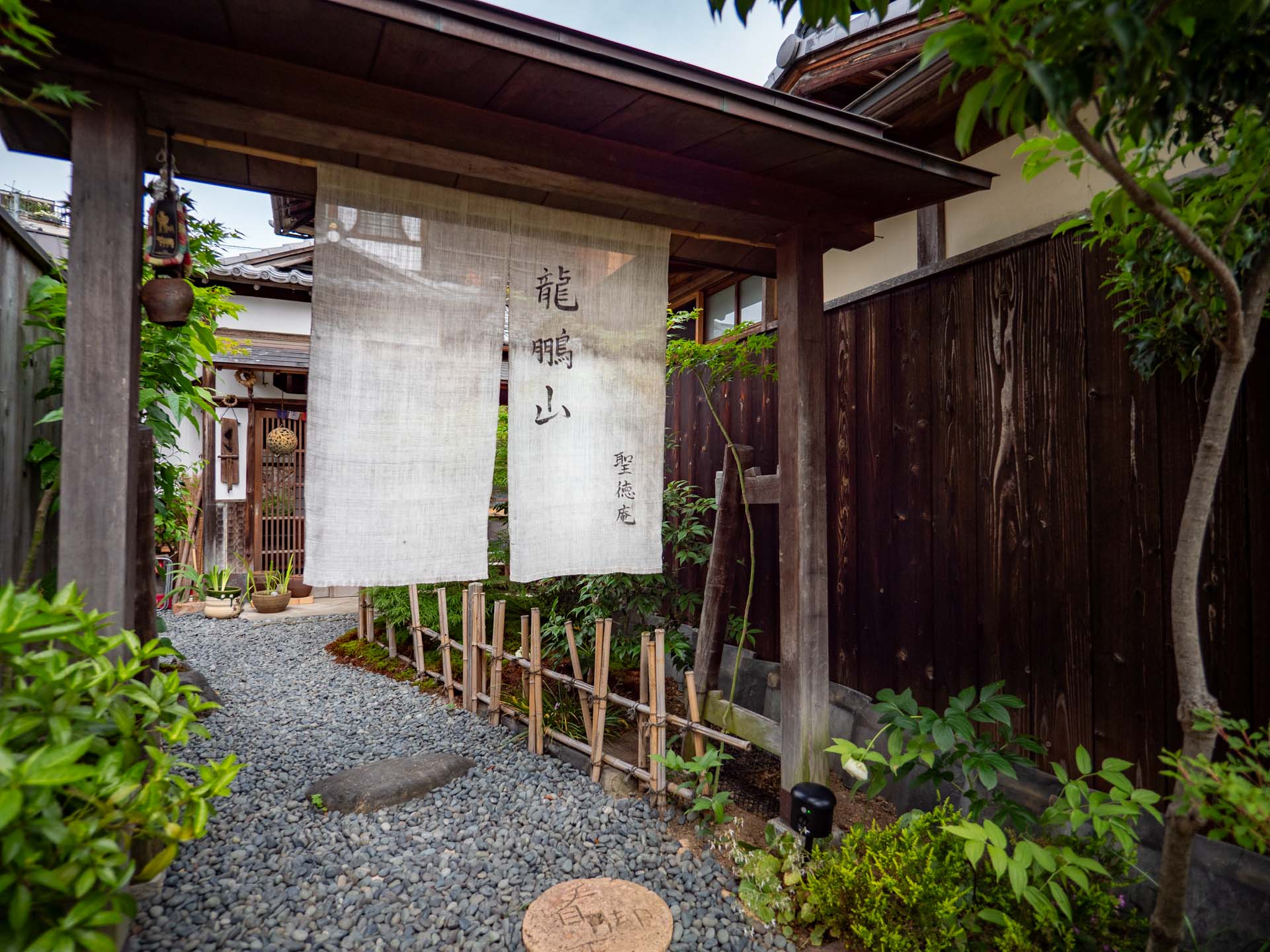
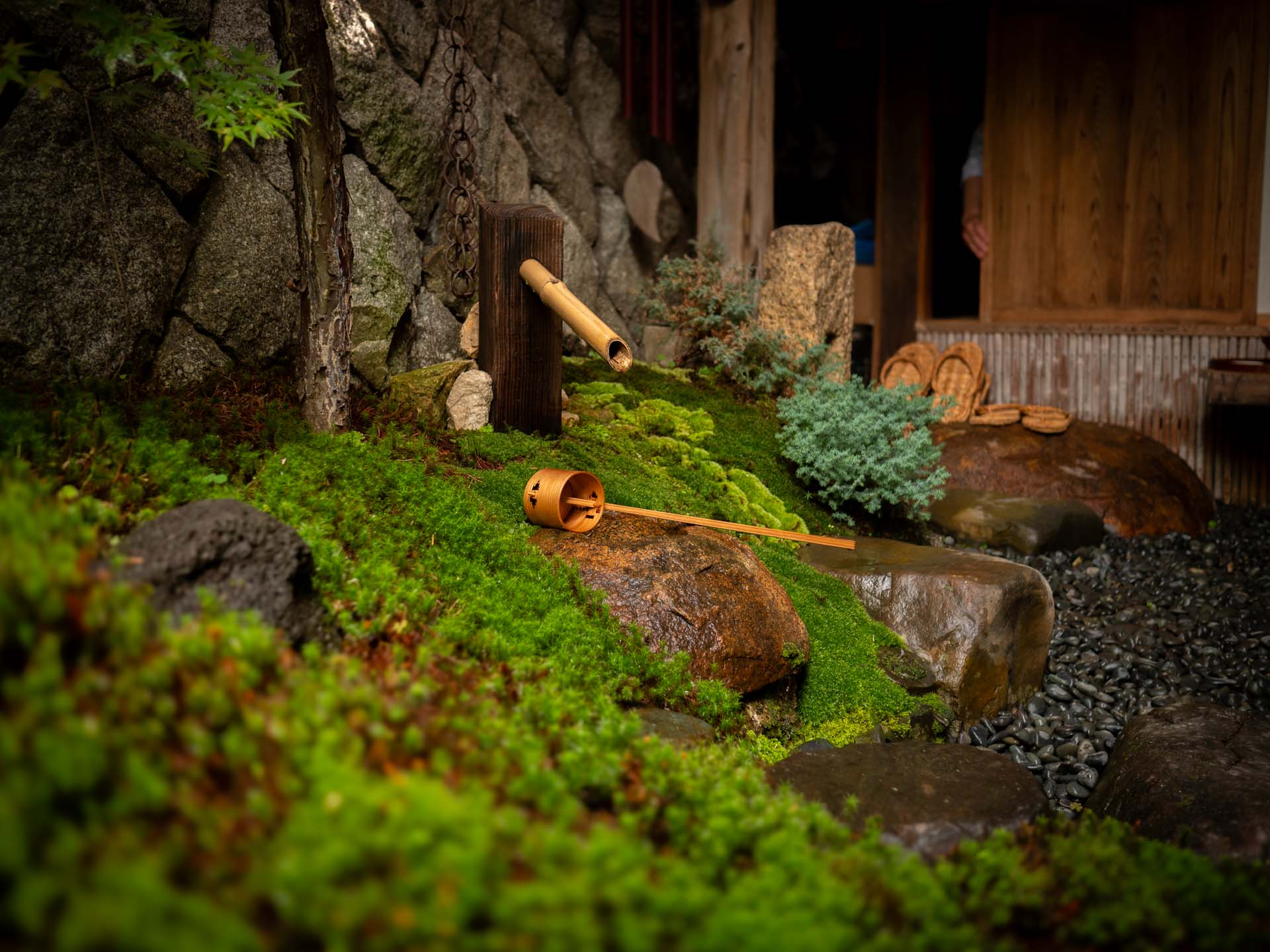
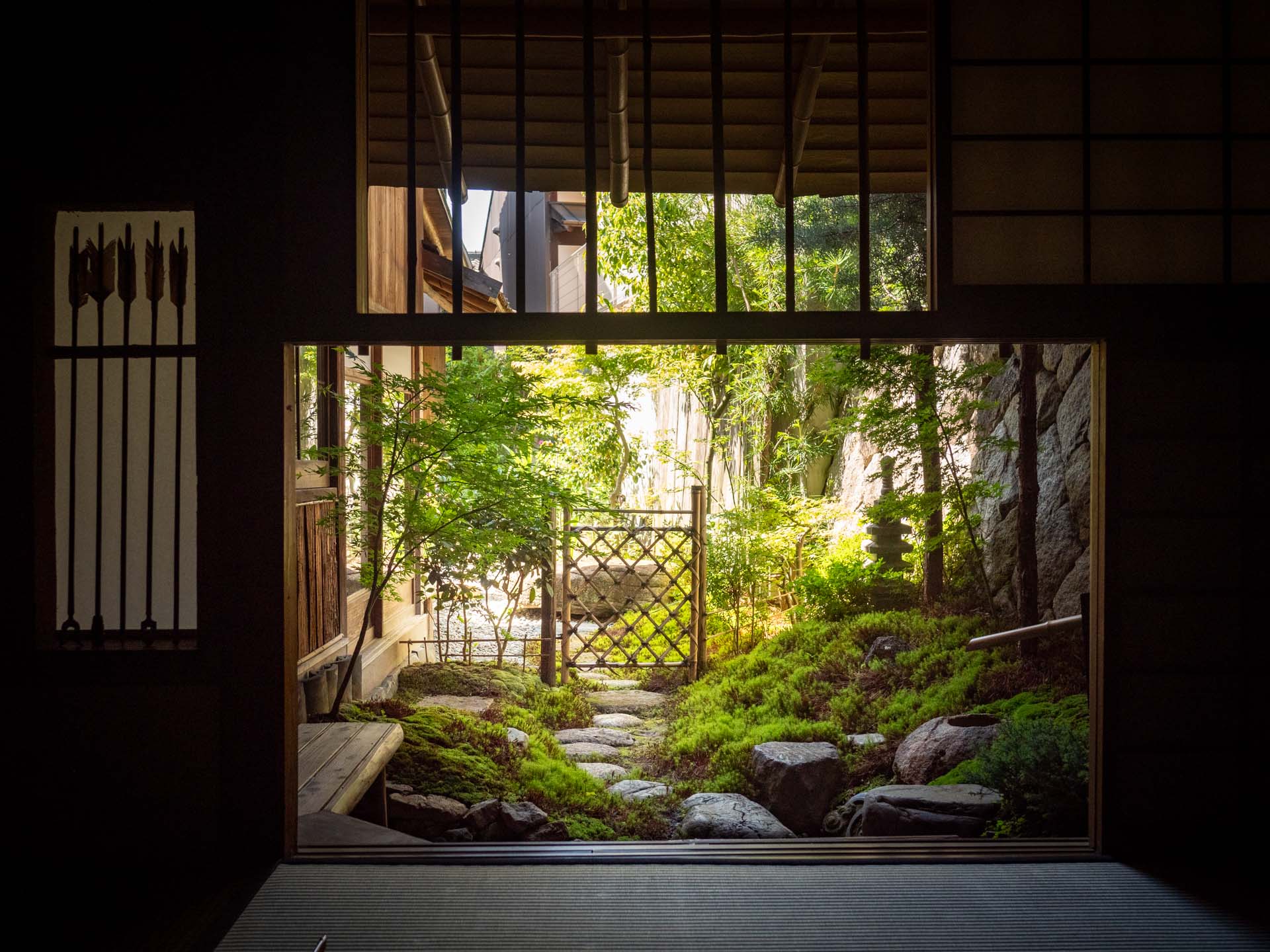
The gathering takes place in a private tea house in northern Kyoto.
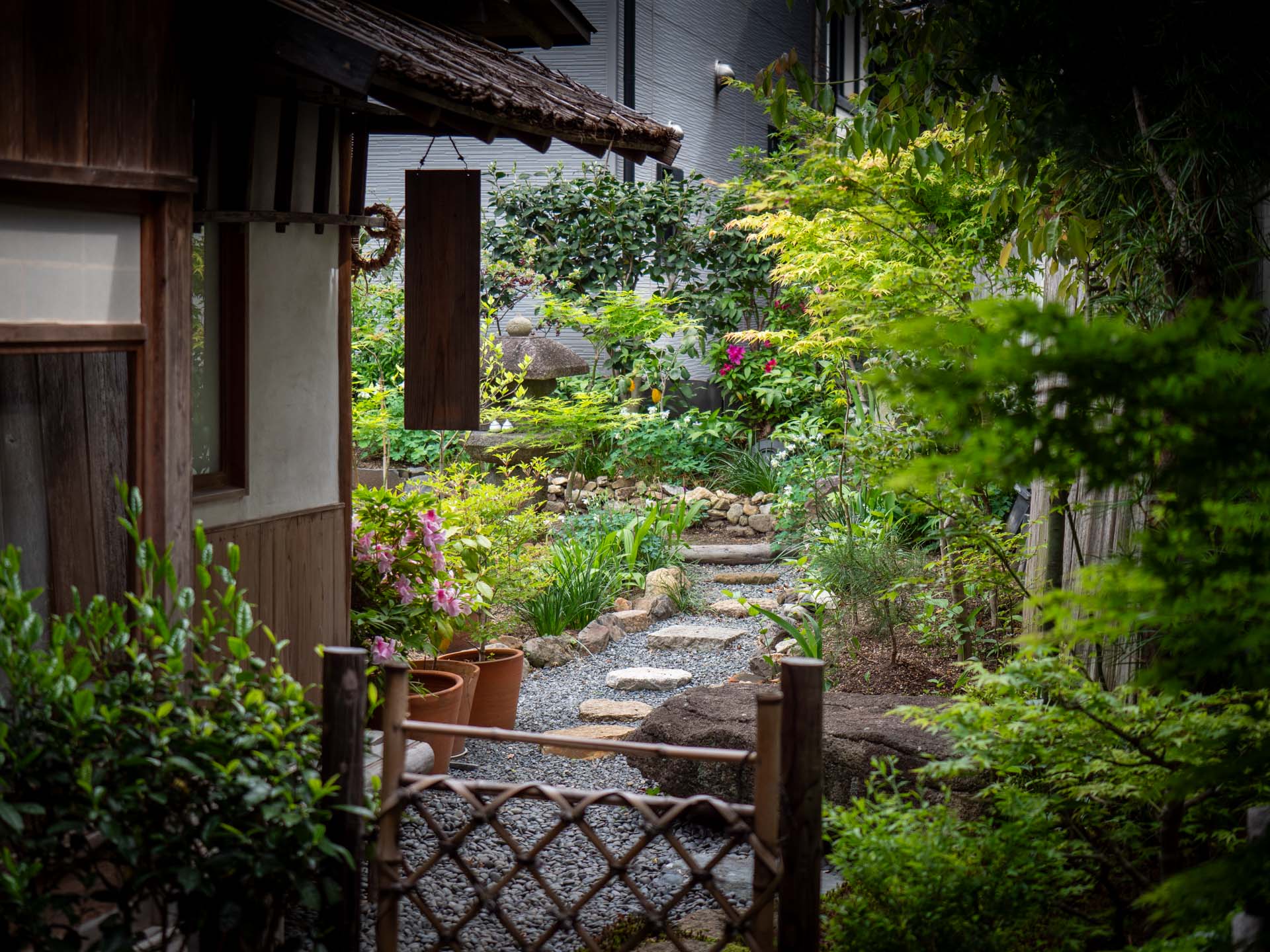
It includes a tea garden, a roji path, a preparation room, a waiting area, and a small nijiriguchi entrance leading into a four-and-a-half-tatami tea room. Here, time and space unfold without artifice, naturally and freely.
Real charcoal is used in the hearth, and the water in the kettle begins to sound softly.
In tea, the sound of boiling water is sometimes called matsukaze — “the wind in the pines.”
It is not merely background sound. It is part of the atmosphere that shapes our time together. It is the primordial sound of Ah! Arising from deep within the kettle, and deep within the human heart.
Before tea is served, guests are invited to observe the movements, listen to the sound, and feel the presence of the room.
From that stillness, words and discoveries arise freely, unobstructed.
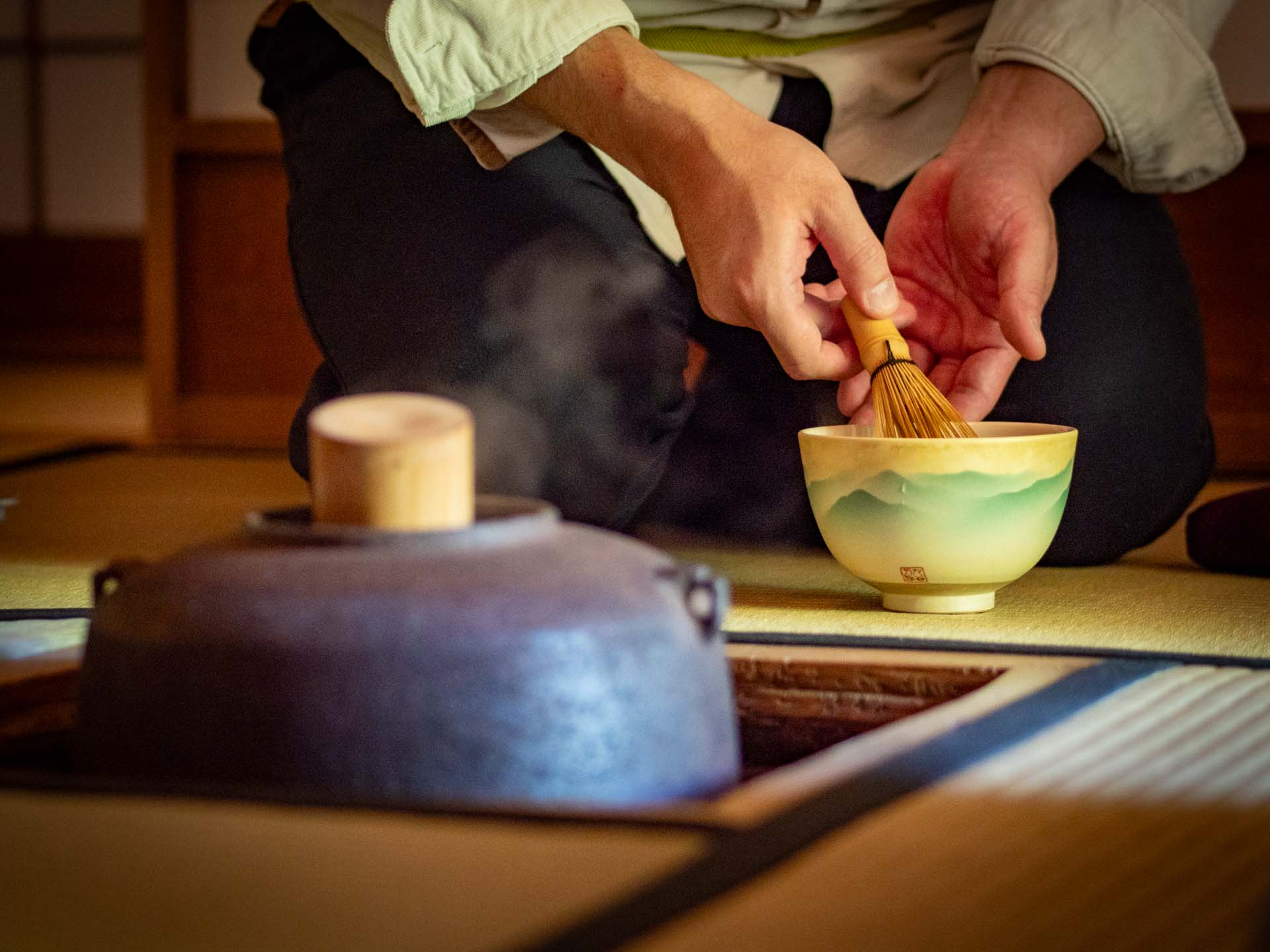
One Bowl of Tea
Chado practice has many forms, gestures, and traditions.
But this experience is not centered on the complexity of form itself, but rather on simplicity of feelings
At the heart of the gathering is something very simple:
tea is prepared with care, one bowl is shared, and each guest is invited to prepare tea directly.
Within that simple exchange we discover attention, care, movement, utensils, relationship, time and space shared between people.
In this experience, tea is not something to watch from a distance.
Guests are invited to encounter it directly.
You may observe, listen, take part in making tea, and speak in your own words about what you notice. Or simply notice your eyes suddenly moist with tears, Or a soft smile on the lips.
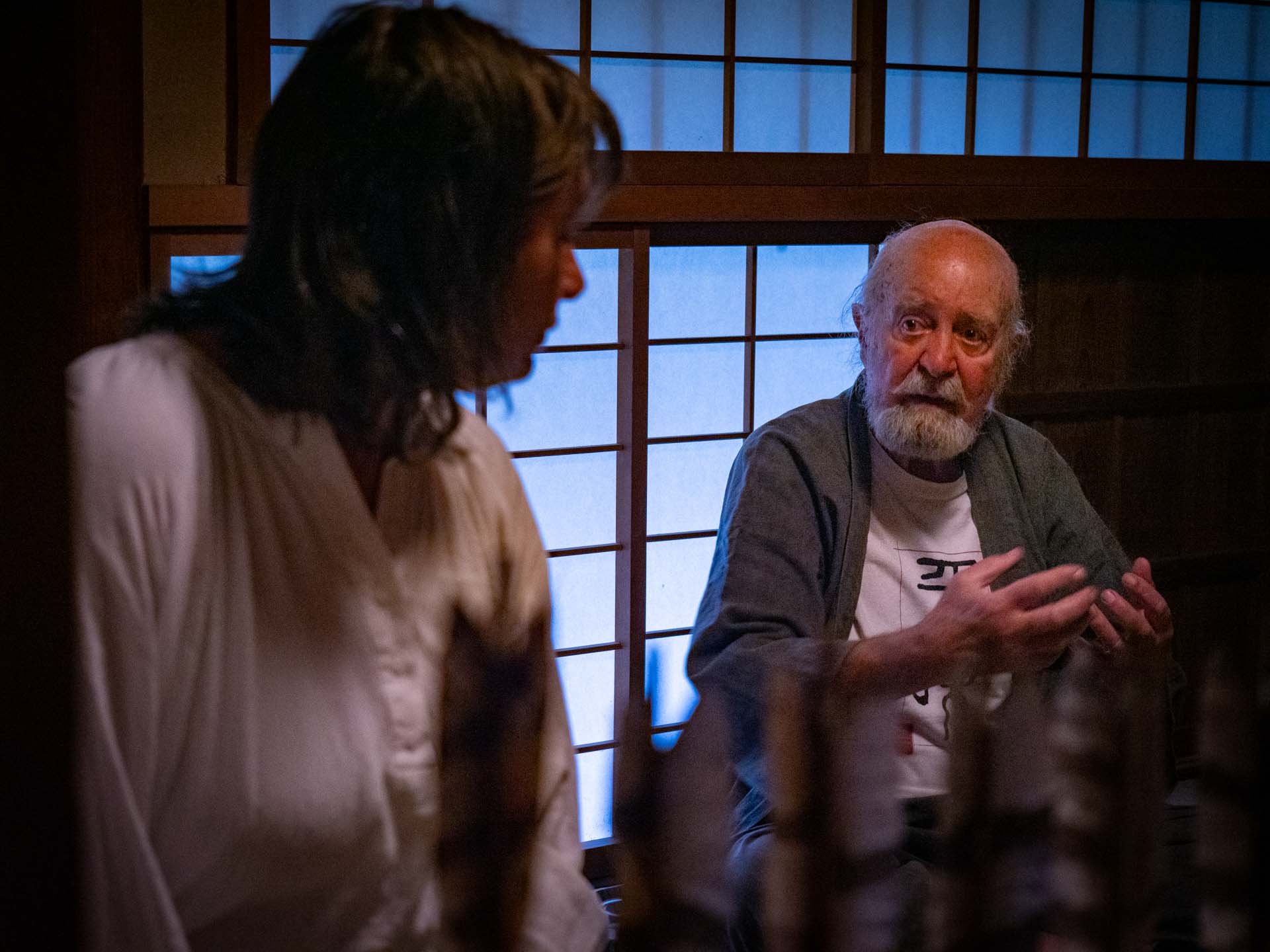
Guided by a Practitioner of Urasenke Tea
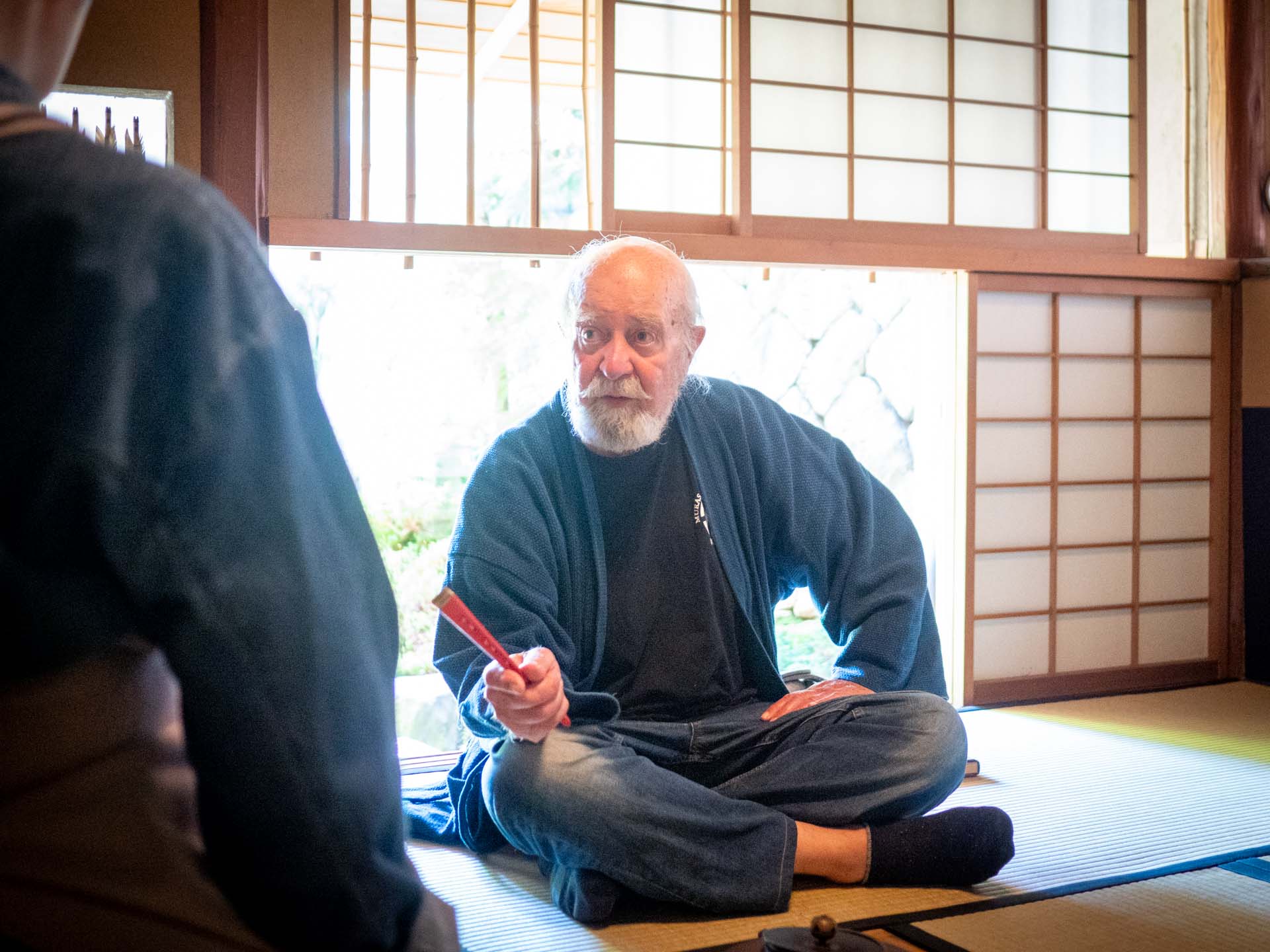
The gathering is guided by a Canadian practitioner of Urasenke tea whose tea name is Jack Convery 宗好 Sōkō.
Tea is not presented here as a title, a performance of status, or a display of knowledge.
It is approached as a practice shaped through long repetition, bodily memory, and transmission from teacher to student, from person to person.
His tea name Jack Convery 宗好 Sōkō and his Urasenke background offer one way to understand the depth behind this time together.
Sō(宗): The ancient lineage of Chado. Kō(好): Good.
But what matters most in this room is not a title.
It is how one meets the bowl in front of them, and how that time is shared. Together with others.
Listening, Reflection, and Discovery
This is not a session built only around receiving explanations, but of entering into spontaneous discussions about making tea, the tea room, the utensils, the charcoal, the gestures, about this very moment of now-ness, of light and shadow, of sound and silence.
But the deeper value of the experience lies in what each guest notices for themselves.
In the time of tea, listening happens.
Reflection follows.
And sometimes, in a small and quiet way, discovery appears.
It does not need to be dramatic.
It may be the sound of the kettle that remains with you.
It may be the feeling of holding a tea bowl in your hands.
It may be the quiet awareness of preparing tea with care, guided by someone who has practiced tea over many years.
These small discoveries are at the center of this gathering.
Beyond the Surface of a Cultural Experience
This is not a quick way to consume something “Japanese.”
Nor is it a strict lesson in correct form.
It is an opportunity to sit in a Kyoto tea house and come into quiet contact with the practice of tea.
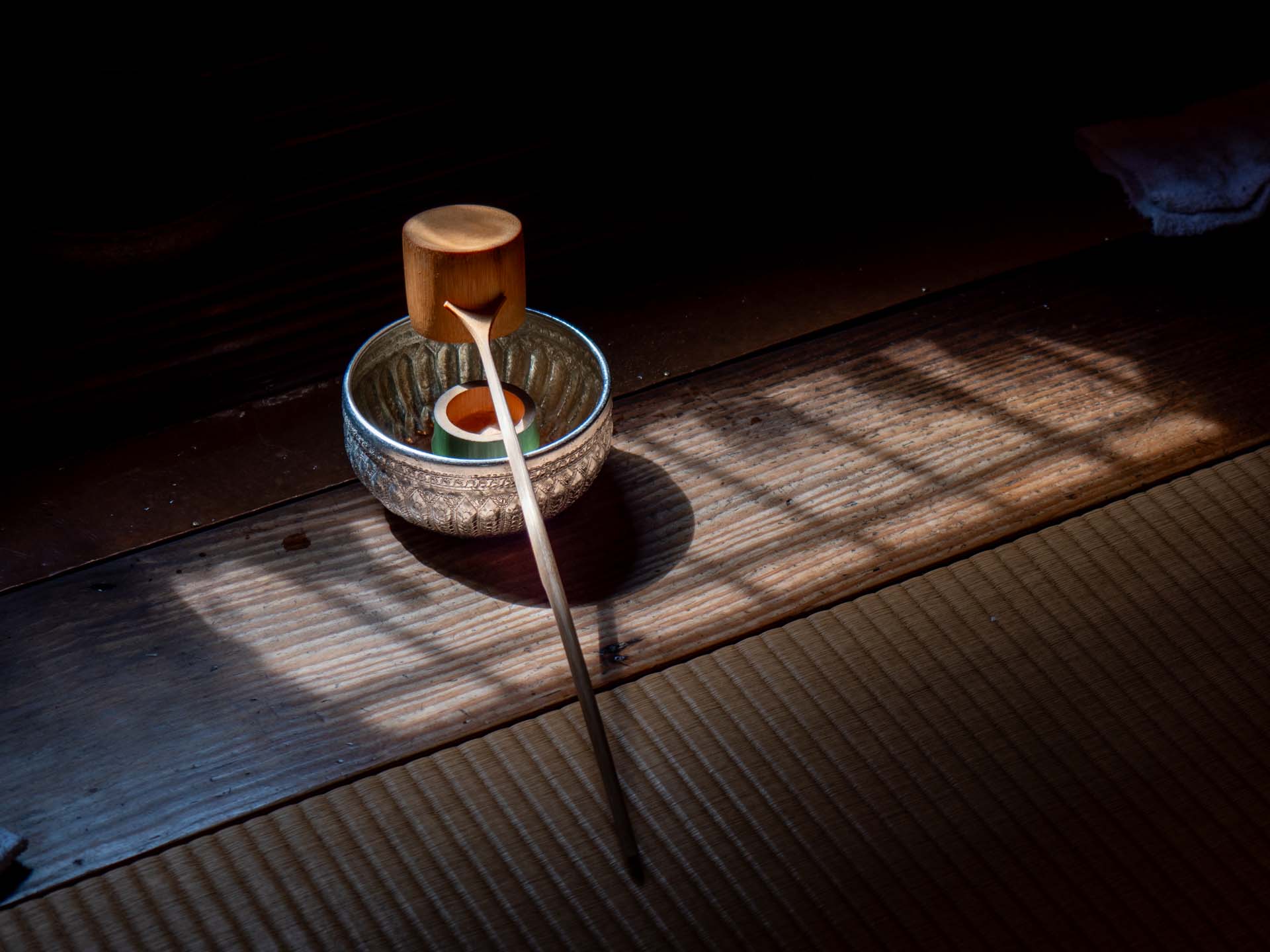
Charcoal, water, a tea bowl, gestures, conversation — each element comes together as part of one shared time.
No prior knowledge of tea is required.
What matters is to slow down, to look carefully, to listen, and to be present.
Tea is not experienced as a culture to be viewed from the outside.
It is also a time that arises between people.
We hope this small gathering will remain with you as a quiet and meaningful memory of your time in Kyoto.
Interested in this experience?
What's Included
- Private tea experience for up to 5 guests
- Guidance by an English-speaking tea practitioner
- An assistant present to support the tea-making practice
- Matcha tea and Japanese sweets and Hassun
- Hands-on participation in making tea
- Use of tea utensils provided for the experience
Meeting Point
The experience takes place in a private tea house in northern Kyoto. The exact address and access details will be shared by email after the booking has been confirmed.
- Approximately 20 minutes on foot from Kinkaku-ji Temple, the Golden Pavilion
- Approximately 15 minutes on foot from Daitokuji Temple
Important Information
- No prior knowledge of tea is required.
- Seiza is traditional, but not required.
- Please wear comfortable clothing suitable for sitting. This will be your offering of dignity and elegance to our time together.
- The experience is conducted in English.
- All dates and times are based on Japan Standard Time (JST).
Cancellation Policy
Please submit your booking request at least 10 days before your preferred date. After we confirm availability, we will send payment details by email. Your booking is confirmed only after payment has been completed.
Please complete payment within 48 hours after we send the payment link. If payment is not completed within this period, your booking request may be cancelled.
- Cancellations made at least 7 days before the experience are eligible for a full refund.
- If your payment is completed less than 7 days before the experience, a full refund is available only for cancellations made within 24 hours after payment.
- After this 24-hour period, cancellations made less than 7 days before the experience are non-refundable. Please review this policy carefully before completing your payment.
- All deadlines are based on Japan Standard Time.
- If Awai Studio needs to cancel the experience for any reason, you will receive a full refund or the option to reschedule.
Please Note
- Please refrain from taking photographs during the experience.
- Please refrain from video recording during the experience.
- We kindly ask guests to avoid wearing strong fragrances.
- We kindly ask guests to remove wristwatches, rings, and other hand accessories during the experience.